Variegated Cactus Wholesale: Color Grades & Batch Approval
Specify variegated cactus wholesale orders with agreed color grades, batch photos, root information and written approval for nursery and plant-shop buying lists.
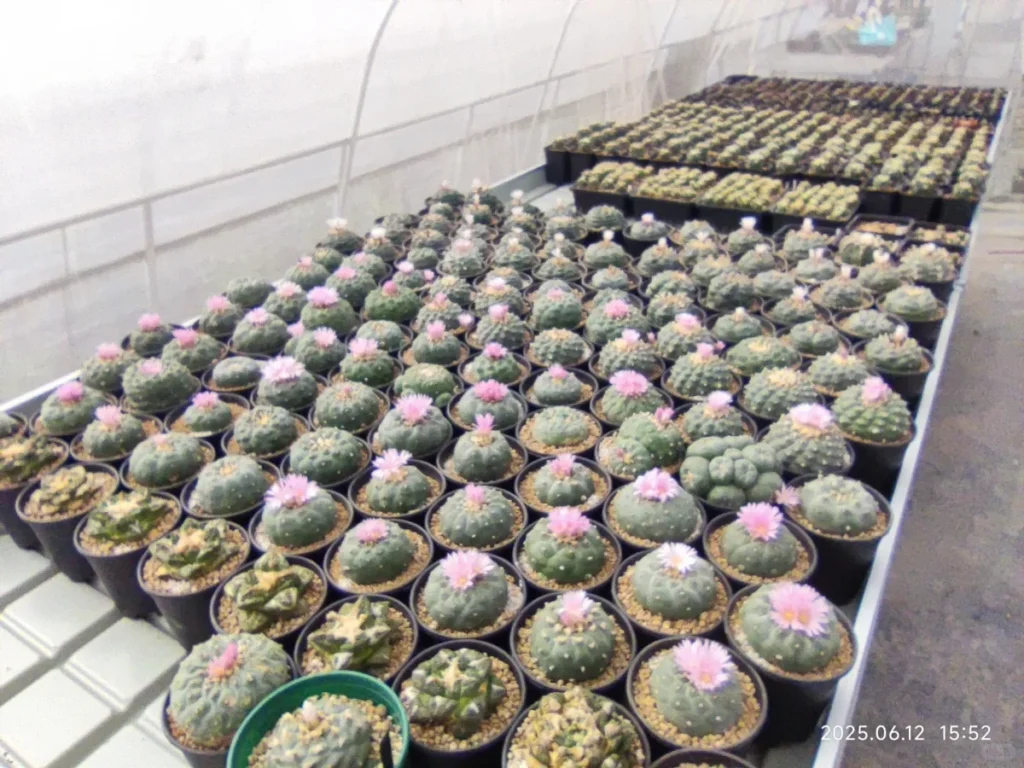
Specify an acceptable color range when ordering variegated cacti wholesale. Save the approved plant or batch photographs with the buying list so the supplier can check the selection before packing.
Define the appearance you want to buy
Put the botanical or horticultural name and product code on each line, then describe the visible color pattern separately. Green with yellow sectors, fine mottling and an almost entirely pale body are different buying requests. Use reference photos to show your preference without assigning an unsupported cultivar name.
The RHS describes variegation as differently colored streaks, blotches or patches in plant parts. For a purchase, record the appearance being approved. A color photograph by itself does not establish the cause of a marking, the plant’s future pattern or its root condition.
Begin with the cactus catalogue and keep the product codes when sending a shortlist. The Gymnocalycium buying guide and Astrophytum buying guide cover the separate plant specifications for those selections.
Agree practical color grades with the supplier
Define each grade with the supplier before comparing prices. Mark example photos as acceptable, borderline or outside your requested range, then agree how quantities will be counted.
| Proposed request | Describe the visible pattern | Decide before quotation approval |
|---|---|---|
| Green-dominant | Mostly green body with a limited marked sector or patches | Which example photos define the minimum visible marking? |
| Mixed pattern | Green and other colors visible across several parts of the body | Which pattern differences are acceptable within the same line? |
| Pale-dominant | Much of the visible body is pale or colored, with less visible green | Is this appearance wanted, and what root or graft information is supplied? |
| Individually selected | A particular photographed plant approved by its own code | Does approval cover that exact plant, and can it be substituted? |
These are proposed purchasing descriptions for the buyer and supplier to agree. They do not grade health, establish chlorophyll content or predict survival. A green percentage estimated from one view is only an estimate of the visible surface. If you use percentages, agree the views and counting method instead of comparing two unqualified numbers.
Check how the photos represent the batch
Ask for an overview of the proposed lot under consistent lighting, with selection codes visible. Add top and side views for the plants that need closer review. Keep the original file and capture date with the approved buying list so later replacements can be compared with the same reference.
For an individually chosen plant, match the label to the whole body and base. For a batch grade, write down whether photos show every plant or a sample, who chooses the sample and how an out-of-grade plant will be handled. A request for all plants to match one example needs an explicit agreement about acceptable variation.
Ask about images with filters or unusually strong color casts. Use comparable lighting for a new approval photo and keep any original markings. The batch photo checklist helps connect the images to quantities and size grades.
Review roots and condition as separate fields
Ask whether each selection is own-root or grafted and whether it is currently rooted. A grafted selection needs the scion dimensions and rootstock information as separate fields. For an own-root selection, request a base or root view appropriate to the agreed packing format.
Discuss marks, scars or discoloration separately from the desired color pattern. Ask for close-ups and the supplier’s condition record where something is unclear. Do not approve a doubtful area simply because it fits the requested color range. The root-form guide explains the evidence to collect for each format.
Keep changes attached to the approved order line
Record the agreed appearance grade, size band and quantity for each product code. State whether a different color grade, root form or individual plant needs fresh approval. Keep the revised quotation and replacement photographs together when a change is accepted.
At receiving, compare the labels and delivered plants with that saved record before discarding packaging or repotting. The receiving checklist covers counts and discrepancy photographs. Agree the report period and required evidence with the supplier before shipment.
Request a color-graded wholesale quotation
We are looking for variegated cacti in [selections or product codes]. Our preferred appearance is [description], shown in the attached acceptable examples. Please quote [quantity by selection] at [body size and units], state root or graft format, and explain whether photos cover the actual plants or a batch sample. Destination: [city, state and country]. Please confirm the approval process for changes.
Send your buying list or ask the team on WhatsApp. Prices and the proposed selection need an individual quotation. For U.S. orders, review the exact plant identities, origin and shipment form against current APHIS import requirements before dispatch approval. Color grades do not determine admissibility.
Questions about color grading
Can a reference photo define the whole order?
It can define a preference. For the order itself, agree whether the photo covers a particular plant or a batch grade, then retain the current approval photos and quantity list.
Should every plant receive a percentage grade?
Only if both parties agree how to estimate it. Descriptive grades linked to several views may be easier to compare. A visible color estimate is not a measurement of chlorophyll or plant health.
Can a different color pattern be substituted within a size grade?
Set that rule before ordering. Keep the accepted color range on the order line and require revised photos when a proposed substitute falls outside it.