Wholesale Astrophytum from China: Grades & Seed-Grown Selection
Source wholesale Astrophytum from China with clear identity, size, seed-grown history, root format and appearance grades. Build a quotation-ready buying list.
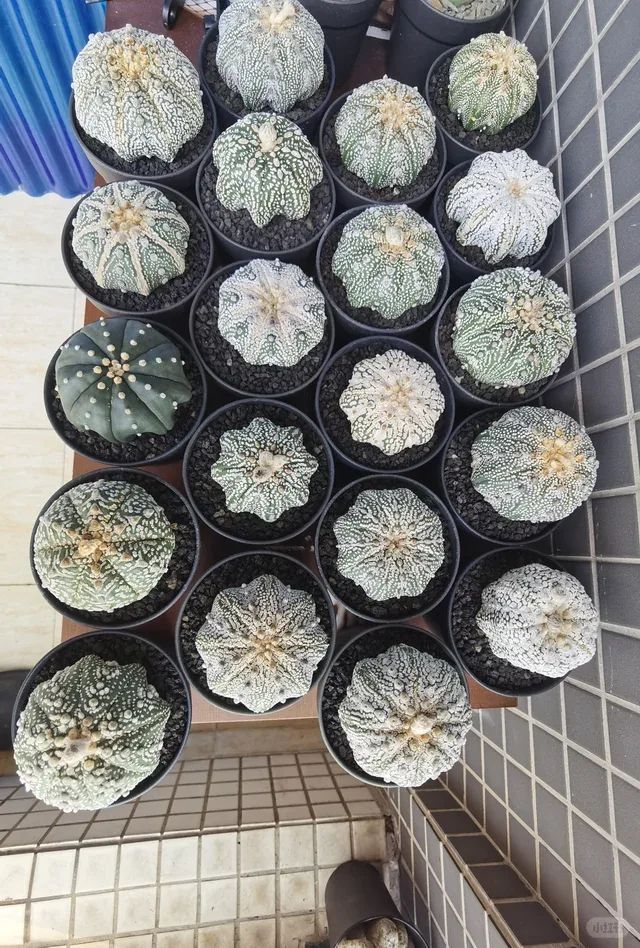
When sourcing wholesale Astrophytum from China, decide what a sellable plant means for your business before choosing the most attractive photograph. A specialist retailer may select individual patterns, while a nursery may need a repeatable size band and a consistent batch. Those are different buying specifications.
This guide focuses on grading and selection: botanical labels, seed-grown history, body dimensions, roots, appearance and the evidence needed for an order. For the broader purchasing sequence, use our wholesale cactus buying guide.
Choose a species or selection before choosing a grade
Keep the botanical name, horticultural selection name and seller’s item code together. A trade term such as “premium star cactus” does not identify a specific plant or define a quality standard. Ask the supplier to preserve the original label and explain what any translated name represents.
Our featured catalogue includes Astrophytum reference selections, including asterias and myriostigma listings. Use those references to start an inquiry, then confirm the actual identity, current batch and availability. A listed image is not evidence that an identical plant is ready for dispatch.
Decide whether you want a named selection, a mixed assortment or individually approved specimens. For an assortment, agree on the composition and acceptable variation. For individual plants, connect each photograph to a unique code and state whether substitutions require approval.
Ask what “seed-grown” means for this offer
Propagation history and current root format answer different questions. Ask whether the plant was raised from seed, whether it was ever grafted, and whether it is currently established on its own roots. Do not infer those answers from a top-view photograph or treat “seed-grown” and “never grafted” as interchangeable claims.
Where parentage or a particular lineage matters to your purchasing decision, request the seller’s available records and identify what remains unverified. Decide whether your retail label will describe a documented selection, a seller’s trade name or an appearance grade. Avoid promising customers a provenance that the supplier has not substantiated.
For grafted offers, request both top-plant and rootstock identities, the rootstock dimensions and a view of the union. For recently degrafted or unrooted material, write that condition into a separate order line. Your receiving team should be able to understand the offer without interpreting a sales nickname.
Measure the body and roots separately
State the diameter measurement method: the widest plant-body dimension, with pot, flowers and projecting structures excluded where appropriate. Record body height separately if it matters for your presentation. Ask for minimum and typical dimensions rather than a single average.
A pot-size label cannot replace plant measurements. Two plants in the same pot size may differ substantially in body size, shape or roots. Request photographs with a ruler beside ordinary examples from the proposed batch and include the smallest plants that the supplier considers within grade.
| Buying field | Specify before quotation | Useful evidence |
|---|---|---|
| Identity | Botanical name, selection label and code | Batch labels and seller’s explanation |
| Dimensions | Minimum and typical body diameter; height if needed | Ruler alongside representative plants |
| History | Seed-grown claim and known grafting history | Available propagation records |
| Current roots | Own-root, grafted, degrafted or unrooted | Side views and representative root photos |
| Appearance | Accepted pattern range and cosmetic marks | Consistent, unfiltered batch photographs |
| Selection method | Individual approval or agreed assortment | Item codes or assortment composition |
Set any tolerances in writing and ask the supplier to accept the same measuring method. If some lines are sold by individual appearance and others by size band, keep those pricing bases separate. The table is a buying framework, not a statement of available grades or stock.
Define appearance without inventing a universal premium grade
Describe the visible traits your customers value: body shape, symmetry, surface pattern, visible color distribution and the condition of the growing point. Specify which differences can be mixed within a tray and which should be separated into another line.
“Premium,” “selected” and “A grade” are useful only when both parties agree on their meaning. Ask for ordinary examples and exclusions, such as the extent of acceptable scars or asymmetry. Distinguish cosmetic grade from root condition; an attractive top does not establish the state of the roots.
For variegated selections, ask for consistent light, several angles and an agreed range of visible markings. The reference photograph is not a guarantee of future appearance. Record what is being accepted at selection and dispatch rather than promising that every plant will develop the same pattern.
Review the batch before approving a purchase
Request a dated overview, closer views of representative plants, size references and relevant root or graft details. Match the photographs to the proposed count and codes. If the offer is for a mixed batch, ask how the seller will choose plants from the pictured group.
Approve a clearly identified batch and specify what happens if it is no longer available when you place the order. A substitute may differ in appearance or format even when it carries a similar trade name. Retain your approved photographs and grade sheet so the arrival inspection can compare the shipment with the agreement.
Compare like-for-like Astrophytum quotations
Ask for the plant price by selection, size band, root format and quantity. Identify whether packing, preparation, documentation and transport are included or separately estimated. A quote for a selected specimen should not be compared directly with the average price of a random mixed tray.
Use our wholesale cactus quotation comparison guide to align the cost scope and delivery point. Confirm current availability, quotation validity and substitution rules before deciding that one offer is better value.
Check U.S. shipment requirements before commitment
APHIS directs importers to ACIR because requirements vary by commodity and country of origin. Review the actual botanical identity, origin and shipment form using the official APHIS import guidance. Review applicable protected-plant requirements separately with the relevant authorities.
Confirm the necessary documents, responsibilities and routing for the actual proposed shipment. No catalogue listing, seed-grown claim or bare-root description establishes U.S. entry eligibility by itself. If a detail remains unresolved, keep it on the buying list as a condition to confirm rather than converting it into a shipping promise.
Send an inquiry that can be graded and quoted
Please quote the Astrophytum selections in my attached buying list. Confirm botanical labels and item codes, minimum and typical body dimensions, propagation and grafting history where known, current root format, accepted appearance range and selection method. Please send current batch photographs with a scale reference and itemize preparation, packing, documents and transport for our destination.
Add the quantities you want by grade, your business type and destination. Submit the list through our wholesale inquiry page and request confirmation of the actual sale batch.
Frequently asked questions
Is seed-grown the same as never grafted?
They describe different aspects of an offer. Ask separately about propagation history, any grafting history and the current root format.
Can I use pot diameter as the Astrophytum size grade?
Record the plant body’s actual measurements. Pot size can be an additional packaging or presentation detail, but it does not establish plant size.
What makes an Astrophytum batch suitable for wholesale?
A batch is easier to evaluate when identity, dimensions, root format, appearance criteria and selection method are clear and supported by current photographs. Suitability then depends on your buyers and nursery capacity.