Bare-Root vs Potted Plant Shipping: A Buyer’s Guide
Compare bare-root and potted formats for wholesale plant shipments. Plan protection, handling, freight and destination requirements before ordering.
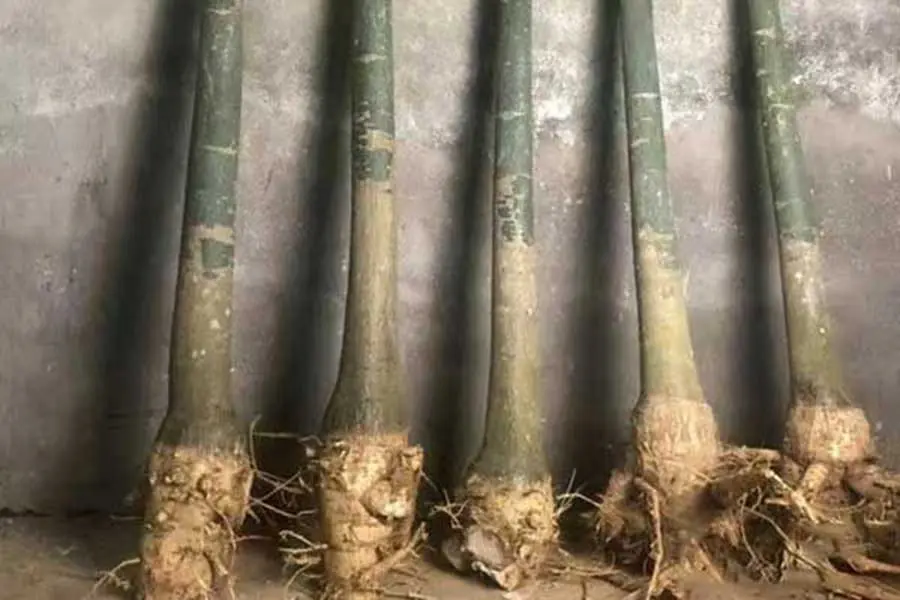
Should wholesale cactus and caudiciform plants travel bare-root or in pots? The answer depends on the selected plants, their preparation needs, the proposed transport arrangement and the importing country’s requirements. Agree the format before finalizing a quotation so that price, packing and handling can be compared on the same basis.
This guide provides questions for planning a shipment. It does not replace the requirements supplied by the destination’s plant health authority or your importer.
1. Compare the two shipment formats
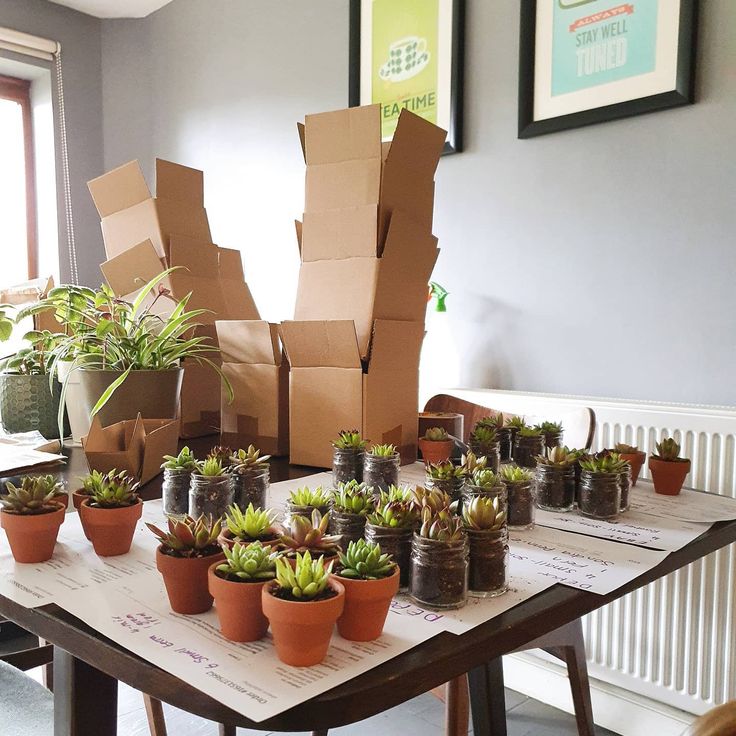
Bare-root generally means the plant is prepared for shipment without its growing pot and growing medium. Confirm the actual cleaning and preparation method proposed for your selection. Potted means the plant travels with a pot and agreed growing medium; that medium and presentation must be suitable for the destination and shipment plan.
| Question | Bare-root format | Potted format |
|---|---|---|
| What is included? | Confirm plant preparation and individual protection. | Confirm pot size, growing medium and how both are secured. |
| What affects freight? | Plant dimensions, protection, carton size and total weight. | Plant and pot dimensions, medium, protection and total weight. |
| What happens on arrival? | A suitable unpacking, potting and recovery plan is needed. | Unpacking, inspection and suitable growing conditions are still needed. |
| What must be checked? | Plant identity, permitted format and any preparation requirements. | Plant identity and whether the pot and medium are permitted. |
Removing pots and medium can change shipment weight and volume, but it does not automatically make every order cheaper or suitable for import. Compare the final packing and freight quotation for the actual assortment.
2. Ask how the plants will be protected
Rounded cacti, tall columnar plants and caudiciform specimens need different support. Ask how movement inside the package will be limited and how delicate surfaces, spines, roots or branches will be protected where relevant. For a mixed order, find out whether different plant sizes will be packed separately.
Request representative preparation and packing photographs if available, and agree how cartons or selected specimens will be identified. A useful packing list connects each item to its quantity and package reference so the receiving team can check the order efficiently.
Our plant packing and export process includes shipment reference photographs. The actual packing specification for your order should be confirmed separately.
3. Confirm destination requirements before payment
Check the proposed plant identity, growing-medium status and shipment format with your importer or destination plant health authority. Ask about any import permit, phytosanitary certification, treatment or inspection requirements that apply to the specific consignment.
The IPPC country directory provides access to official national plant protection organization information. Send the current requirements to our team so we can confirm what can be arranged for your proposed order.
A certificate example or a previous shipment is not confirmation that a new assortment meets a different destination’s requirements. Match the document discussion to the actual plant list and importing country.
4. Review freight and handling details together
Ask for the proposed transport method, destination, estimated package count and the available weight and dimension information. Confirm which charges are included in the quotation and which arrangements remain with the buyer or receiving agent.
Check the route, planned dispatch timing and any known transfer or storage stages with the parties arranging transport. Transit estimates depend on the agreed service and route; do not plan receiving staff around a generic delivery promise. If you change the plant mix or quantity, ask whether packing dimensions and freight need to be revised.
5. Prepare the receiving team
Before dispatch, arrange the space, tools and staff needed for unpacking and any agreed potting work. Request handling information relevant to the actual plant selection. Keep the invoice, packing list and selected-plant references available to the receiving team.
On arrival, document package condition and compare item counts and visible plant condition with the agreed specifications. Contact the supplier promptly if something requires clarification, following the issue-reporting terms agreed for the order.
Planning your first shipment? Read how to structure a trial plant order, then send your plant list and destination for a packing quotation.