Wholesale Gymnocalycium from China: Sizes, Roots & Batch Photos
Source wholesale Gymnocalycium from China with clear size grades, own-root or grafted specifications, batch photos and an itemized quotation for U.S. buyers.
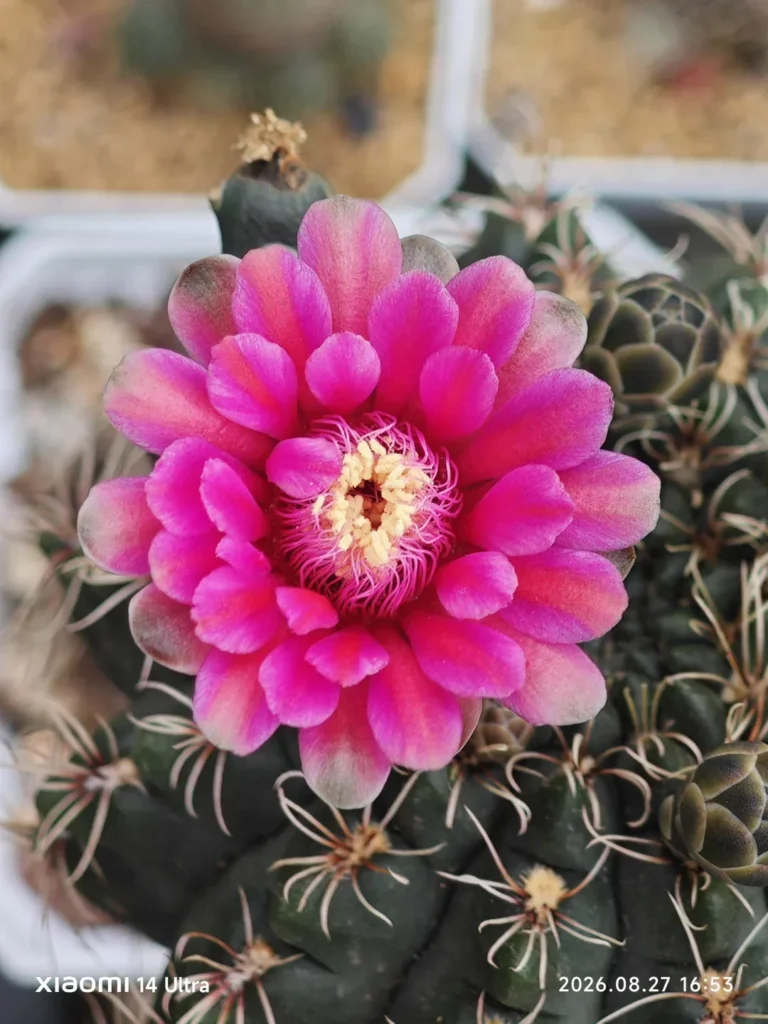
Buying wholesale Gymnocalycium from China starts with a precise plant specification. A flowering photograph can help you choose an appearance, but it does not establish the size, root condition, propagation history or availability of the shipment you will receive. Nurseries and specialist retailers need those details before comparing prices.
Build your Gymnocalycium buying list by selection
For a wholesale Gymnocalycium request from China, use one line for each species, form and size. An assorted genus-level photograph gives less purchasing control than a list of separately specified selections.
- Gymnocalycium mihanovichii: specify the colour or nursery form and distinguish own-root, grafted and unrooted offers.
- Gymnocalycium baldianum: define a single plant or a complete clump, including head count and the sale unit where relevant.
- Gymnocalycium horstii: request body diameter and height, identity details and representative photographs from the size grade.
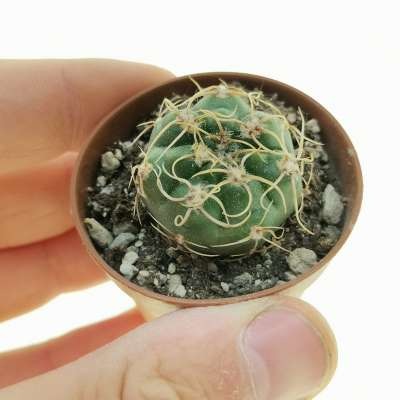
Mixed trial orders start at USD 200. Ask for the per-selection minimum and a unit-price breakdown instead of assuming a fixed number of plants from the order value. Keep any alternative species or nursery forms subject to your approval.
To request current options, choose the price-quote topic on our contact form and leave your name and email. Email a longer buying list, catalogue photo references and your destination to info@chinaaridplants.com. The checklist below explains how to review the resulting offer.
This guide explains how to turn a Gymnocalycium shortlist into a useful buying list, distinguish own-root and grafted plants, and request evidence for the actual batch. Use it alongside our general wholesale cactus buying guide.
Start with botanical identity and the retail role
Ask for the botanical name, cultivar or seller’s selection name, and a stable item code. “Gymno mix,” “colored cactus” and local trade names are too broad for a purchase order. Keep the supplier’s original label beside the agreed English name so that translation does not silently change the selection.
Decide whether the line is intended for an affordable mixed display, uniform nursery production or individual collector sales. A mixed tray may suit a varied retail bench, while individually photographed plants suit buyers who need to assess each specimen. Specify whether the order is a random assortment, a named selection or the exact plants shown.
Explore the featured plant catalogue to build a shortlist. Treat catalogue listings as sourcing references: confirm current availability, botanical identity and export suitability for each proposed order.
Separate own-root, grafted and unrooted offers
Do not group these formats into one price comparison. Ask whether each plant is on its own roots, remains on a rootstock, has recently been removed from a graft, or is an unrooted offset. A top-view photograph may not reveal that distinction.
For grafted plants, request the identity of both the top plant and rootstock, the approximate grafting date where known, and a side view of the union. Record rootstock height separately from the diameter of the top plant. For an own-root offer, request a representative root photograph and confirmation of whether the plants are established in the present growing format.
For an unrooted or recently degrafted offer, agree on that condition explicitly and assess whether your nursery has the staff and facilities to handle it. Avoid accepting “ready to sell” as a substitute for a description of roots and preparation. This guide does not prescribe a universal rooting or watering schedule.
Define a measurable size grade
Measure the plant body across its widest point, excluding projecting spines, flowers, pot and rootstock. Ask the seller to state the method used. Separate minimum diameter, typical diameter and permitted variation; a single average can conceal an uneven lot.
| Specification | What to record | Evidence to request |
|---|---|---|
| Identity | Botanical name, selection and item code | Labels beside the batch |
| Plant diameter | Minimum, typical size and measuring method | Ruler beside several plants |
| Root format | Own-root, grafted or unrooted | Side view and representative roots |
| Grafted offer | Top plant and rootstock identities; separate dimensions | Clear view of the graft union |
| Appearance | Agreed color range and cosmetic exclusions | Unfiltered photos in consistent light |
| Quantity | Count by selection and size grade | Tray or batch overview |
If you use size bands, write your proposed ranges in the inquiry and ask the supplier to confirm them. Any sample ranges are buying specifications, not a statement of our current inventory. Also clarify whether scars, asymmetric growth, damaged spines or other cosmetic marks are acceptable in your retail grade.
Ask for sale-batch photographs, not only flowering examples
A bloom is a useful merchandising reference, but it should not become a promise that plants will arrive in flower. Ask whether the pictured flower belongs to the selection offered, whether flowering is merely an example, and what the current sale batch looks like without flowers.
Request a dated overview, several representative close-ups, a scale reference and a side view. Include the smallest acceptable plants and ordinary examples rather than only the most attractive specimen. For individually priced collector plants, match each picture to an item code and ask whether substitution is permitted.
For patterned or variegated selections, agree on the visible range you will accept. Lighting, camera processing and display settings can affect the photograph. A consistent light source and an unfiltered close-up are more useful for comparison than a heavily edited promotional image.
Compare the complete offer
Request quantities and prices by identity, size grade and root format. Ask the supplier to identify preparation, packing, document and transport charges separately, state the currency and quotation validity, and explain which costs are estimates. Confirm who arranges each stage of transport and clearance.
A lower unit price may represent a smaller plant, an unrooted format or a broader cosmetic grade. Resolve those differences before deciding which offer is cheaper. For a first purchase, the trial order guide helps you define a manageable evaluation batch without treating a trial as an import exemption.
Complete U.S. import checks before committing
APHIS states that import requirements depend on the commodity and country of origin and directs importers to its ACIR database. Check the actual botanical identities, origin and shipment form through the official APHIS import guidance. Provide both plant and rootstock details when seeking advice about grafted stock.
Confirm any applicable permits, plant-health documents, protected-plant requirements and routing with the importer and relevant authorities before payment and dispatch. A seller’s photograph, quotation or “bare-root” description does not establish shipment eligibility.
Send a quotation-ready buying list
Please quote the following Gymnocalycium selections by item code and botanical name. For each line, confirm quantity, minimum and typical body diameter, own-root or grafted format, current batch photographs, cosmetic grade and preparation. For grafted plants, identify the rootstock. Please itemize packing, documents and transport, state quotation validity, and confirm which shipment details need review for our U.S. destination.
Add your business type, destination and preferred receiving window. After agreeing on the batch, retain the approved photographs and specification sheet for the arrival inspection.
Frequently asked questions
Does a flowering photo mean the wholesale batch will arrive in bloom?
No. Confirm the condition of the actual sale batch. Treat flowering pictures as appearance references unless the supplier explicitly agrees on another specification.
Can I compare grafted and own-root plants by diameter alone?
No. Record root format, rootstock details, preparation and cosmetic grade alongside diameter. These are different offers even when the top plants look similar.
What should I send to request wholesale Gymnocalycium?
Send selection names or codes, desired dimensions, quantities, root format and destination. Ask for current batch evidence and an itemized quotation.