Wholesale Cactus Shipment Receiving Checklist for Nurseries
Inspect wholesale cactus deliveries with a nursery checklist covering cartons, plant counts, sizes, roots, batch photos and supplier discrepancy reports.
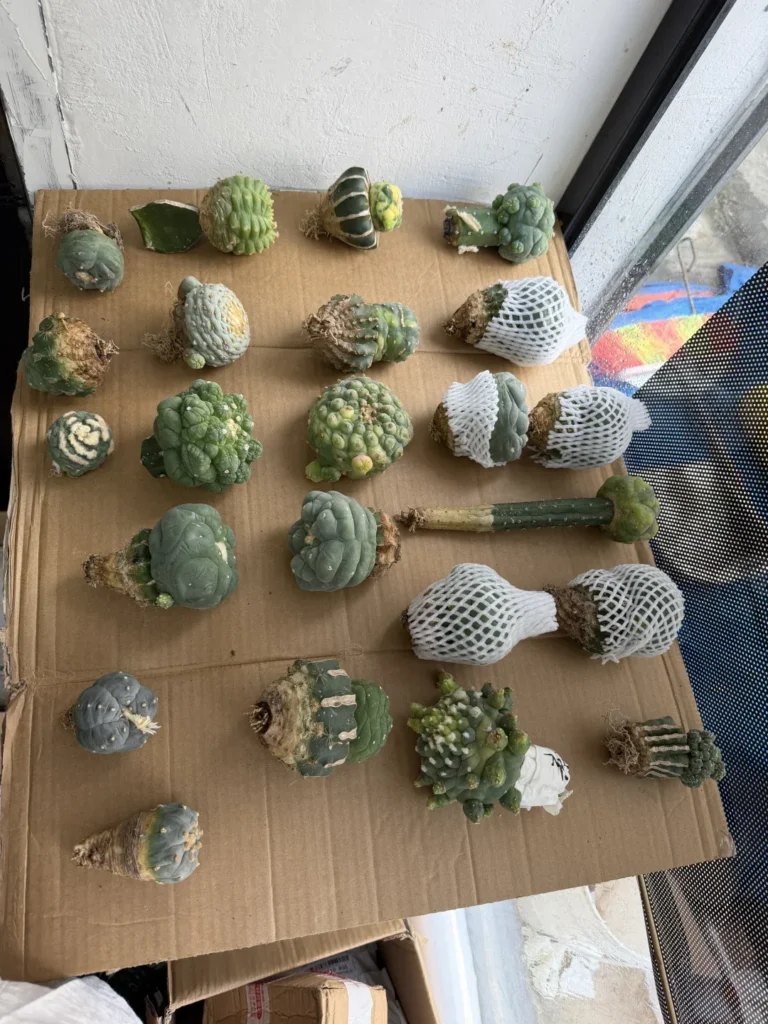
A wholesale cactus shipment receiving checklist gives your nursery a consistent way to compare delivered plants with the order you approved. The goal is to record identity, quantity, size and visible condition while the packing and labels still provide evidence.
This guide covers commercial receiving after the shipment is released for delivery to your business. It does not replace official import inspection. Prepare the checklist before dispatch, give one person responsibility for the record, and agree on the supplier’s claims procedure before the plants leave China.
Prepare the receiving record before arrival
Keep the final purchase order, agreed specification sheet, current batch photographs, packing list, invoice and tracking reference together. Include botanical names, item codes, size bands, root format, accepted cosmetic grade and any approved substitutions. A saved conversation without a final agreed list makes discrepancies harder to resolve.
Ask the supplier to explain its notification deadline, required evidence and possible remedies in writing. Do not assume that refunds, replacements, shipping charges or later deterioration are covered. If the commercial terms are unclear, resolve them before dispatch rather than after a damaged carton arrives.
Prepare a clean work surface, appropriate handling tools, labels, a ruler and a camera. Set aside space where incoming stock can remain identifiable and separate from established sale stock while you inspect it. Choose the receiving procedure appropriate to your nursery and any applicable instructions.
Record the unopened cartons
Before unpacking, photograph all sides of each carton, its identifying label, seals and any visible crushing, punctures, wet areas or resealing. Record the number of cartons received against the packing list and note the delivery time. Follow the carrier’s procedure for reporting visible damage.
Keep address details and shipment documents in your private order record. If photographs are later used for public marketing, avoid publishing customer information or document numbers. Evidence for a claim serves a different purpose from a social media unboxing post.
Open cartons carefully and photograph the packing layers before removing every plant. Save labels and relevant packing until discrepancies are resolved. An optional continuous unboxing video can support the record, but clear item-level photographs and counts remain useful.
Reconcile identity, count and specification
Work through one carton or batch at a time. Match labels to the agreed item codes and count the plants before mixing selections. Keep unknown or substituted plants on a separate line rather than assigning a guessed identity.
| Check | Record on arrival | Comparison point |
|---|---|---|
| Cartons | Received count and external condition | Packing list and carrier record |
| Identity | Label and item code for each batch | Final agreed buying list |
| Quantity | Count by selection, including discrepancies | Purchased quantity |
| Dimensions | Measurements using the agreed method | Minimum size and grade tolerance |
| Root format | Own-root, grafted or unrooted condition | Supplier’s specification |
| Visible condition | Item-level photographs and factual notes | Approved photos and cosmetic criteria |
For diameter, use the same method agreed at purchase. Do not include pot width, flowers or projecting spines if the specification was plant-body diameter. For grafted stock, distinguish the top plant’s dimensions from rootstock height.
Where a size mismatch appears, measure additional plants to establish the extent of the issue. For valuable individually selected specimens, reconcile each item separately. Choose the depth of routine checking according to batch value, variation and your receiving capacity; this is a commercial inspection plan, not an official statistical inspection standard.
Describe visible condition without guessing the cause
Record broken stems, fresh wounds, damaged roots, detached parts, soft or discolored areas and other visible concerns. Photograph the affected plant with its item code and a scale reference, then record how many plants show the same issue. Compare ordinary cosmetic marks with the grade you agreed to accept.
Separate an observation from a diagnosis. “Three plants have soft dark areas near the base” is a clearer receiving note than an unsupported claim about the disease or who caused it. Photograph suspected pest signs and keep affected material apart while seeking appropriate advice.
A shipping-related change in appearance does not, by itself, establish permanent loss or an acceptable condition. Assess uncertain plants under suitable nursery procedures and retain the initial record. Avoid promising that every plant will recover or assuming that every visible mark qualifies for compensation.
Keep batch identity during aftercare
Label receiving trays with the arrival date and batch code so observations remain linked to the order. Follow instructions appropriate to the botanical identity, roots, preparation and your local growing conditions. Newly arrived bare-root plants, established own-root stock and grafted plants should not automatically receive one identical routine.
Ask the supplier for its preparation notes and recommended handling information, and have your nursery’s responsible grower decide the next steps. This checklist does not set a universal watering interval, treatment product or quarantine duration. Any official restriction or instruction takes priority over a commercial care suggestion.
Record follow-up observations separately from the arrival assessment. That distinction helps you evaluate both transit condition and subsequent nursery performance without rewriting the original evidence.
Send a concise discrepancy report
Notify the supplier within the agreed period, using one report that identifies the order, batch and affected item codes. Include expected and received quantities, the agreed specification, clear photographs, and the resolution you are requesting. Keep the claim factual and preserve the original files.
Order reference: [your reference]. Item code: [code]. We ordered [quantity and specification] and received [observed quantity and condition]. The attached photographs show the carton, packing, label and affected plants. Please review this against our agreed specification and claims terms, and confirm the proposed next step.
A remedy depends on the agreed terms and review of the evidence. Do not discard affected plants or relevant packing before checking what the supplier, carrier or authority requires.
Use the record to improve the next purchase
Track accepted quantities, discrepancies and staff handling time by selection. Use the results to refine size bands, batch-photo requests, packing arrangements and the next order’s quantity. Link recurring issues to concrete specification changes instead of relying on a general “better quality” request.
For sourcing decisions, see our Gymnocalycium buying guide and bare-root versus potted shipping guide. Send your next shortlist through the wholesale inquiry page.
Frequently asked questions
Does this checklist replace U.S. import inspection?
No. Import requirements depend on commodity and origin. Review APHIS guidance and ACIR before shipment and follow any official inspection or release instructions.
Should I water every cactus immediately after unpacking?
Use a procedure appropriate to the plant identity, roots, preparation and growing conditions. Request the supplier’s handling notes and have your responsible grower assess the batch.
What evidence helps with a shortage or damage report?
The agreed order, carton and packing photographs, item labels, counts, measurements and clear images of affected plants. Submit them within the notification period agreed with the supplier.