Wholesale Copiapoa cinerea: Surface Finish, Size and Approval
Request Copiapoa cinerea from China with clear body measurements, surface grades and approval photos. Compare species labels and prepare a wholesale enquiry.
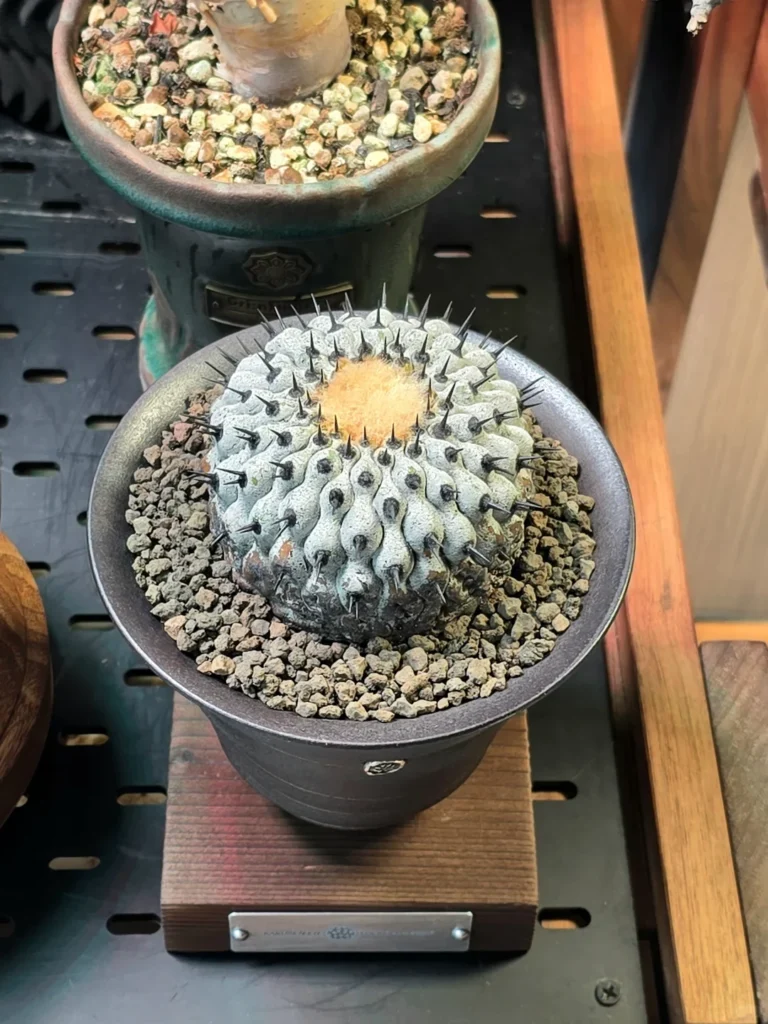
When requesting wholesale Copiapoa cinerea from China, describe the plant body and the surface finish separately. A diameter alone leaves room for very different offers: a green plant, a pale waxy plant and a specimen with visible basal marks can all fit the same size band. Agree which appearance your customers expect before comparing unit prices.
Keep the species and subspecies on the quotation
Kew accepts Copiapoa cinerea and places its native range in northern Chile. Its accepted subspecies include columna-alba and krainziana. These names should stay attached to the supplier’s proposed plants, rather than being shortened to a general “Copiapoa mix.” A nursery label is a starting point for checking identity; the photograph alone cannot settle it.
The catalogue has separate enquiry pages for C. cinerea, CAP-C0084, subsp. columna-alba, CAP-C0716 and subsp. krainziana, CAP-C0085. Quote the relevant code when asking about a selection. These catalogue references do not establish the availability or identity of a proposed batch.
Describe the finish you will accept
The RHS describes green to chalky-white waxy stems, with wool at the top and variable spines. Use that range to make your enquiry more precise. If pale plants are essential for a display, request photographs of the actual proposed grade in ordinary, consistent light. Keep any colour adjustments off the approval images.
Ask for a top view and a side view that includes the base. Record visible marks, uneven colour and damaged spines before approval, and ask the supplier to explain anything unclear. A photograph can document appearance; it cannot prove age, propagation history or root condition. Keep those questions as separate written fields.
Put the buying grade in writing
| Field | What to record | Evidence to request |
|---|---|---|
| Identity | Species or subspecies and catalogue code | Label beside the proposed plants; explanation of any name difference |
| Body size | Body diameter in cm, excluding projecting spines; body height separately | Ruler at the widest part, with the measuring points visible |
| Form and quantity | Single head or clump; plants per quote line; overall clump width where relevant | Group view showing the units included in the price |
| Surface grade | Acceptable colour range, marks and spine damage | Unfiltered close-ups and a side view of the base |
| Root and propagation record | Supplier’s stated propagation method and current root status | Written history and an appropriate root view when available |
| Approval basis | Exact specimens or a defined batch grade, with exceptions listed | Dated, numbered photographs linked to the quotation |
Keep pot diameter in its own column if it is supplied. It is useful for planning a display, but it does not measure the cactus body. For a clump, specify whether the quoted diameter refers to the largest head or the whole group. Do not compare those two measurements as one grade.
Carry the approved grade through to packing
Ask the supplier to identify any proposed replacements before packing. A substitute may meet the diameter range while changing the surface finish or plant form you approved. Your quotation record should make that difference visible. The substitution guide explains how to approve changes, and the batch-photo checklist covers the supporting images.
For a U.S. nursery enquiry, send the catalogue code, preferred form and finish, size range, quantity and destination ZIP code through our quotation form. Ask which details can be confirmed for the proposed selection before making a purchasing decision.
Questions buyers ask
Does a whiter plant prove that it is older?
A pale surface alone does not establish a plant’s age. Request the supplier’s propagation and growing records if age affects your buying decision, and keep any unverified age claim out of your own retail description.
Can I approve the order from one attractive specimen photo?
First establish whether that exact specimen is offered or whether the image illustrates a batch grade. For a batch, request a group view and examples of the variation included. Record whether further specimen selection is possible before agreeing the quote.