Wholesale Cactus Substitutions: Approve Changes Before Packing
Control wholesale cactus substitutions with line-by-line approval, replacement photos, root-form checks and revised order records before packing.
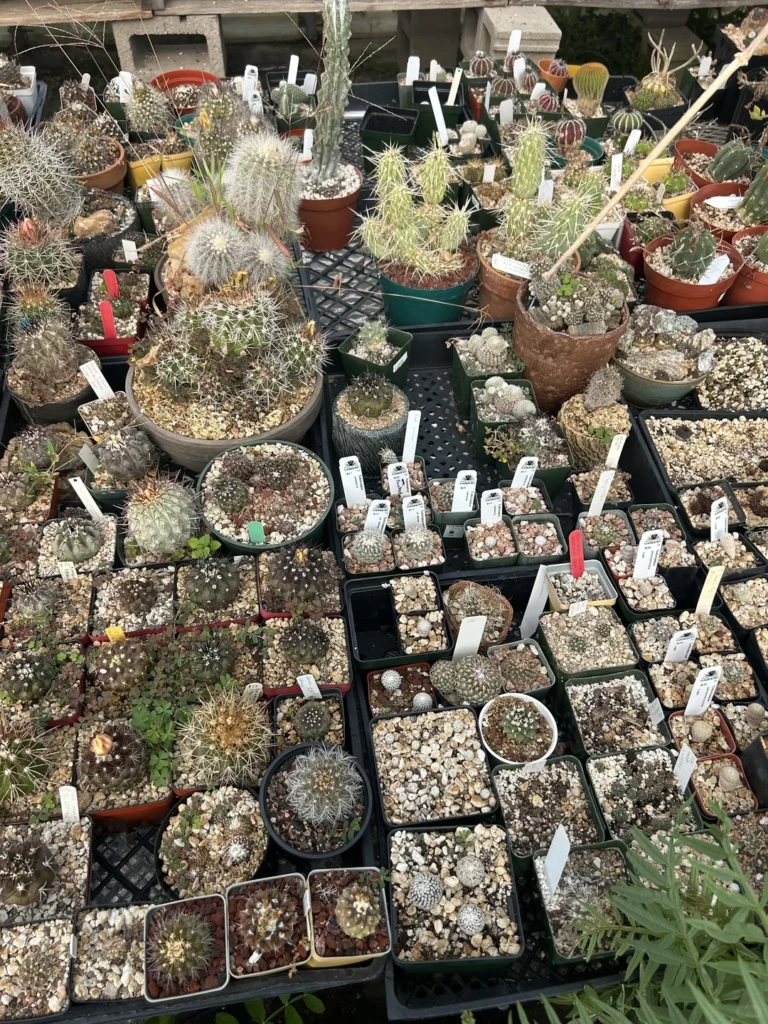
A wholesale cactus order can change between quotation and packing. A size grade may differ from the photographed sample, or a proposed replacement may carry the same species name but a different horticultural selection. A short written substitution procedure helps a nursery buyer decide what can change, who approves it and which order lines must stay on hold.
Use this guide after building your wholesale cactus assortment. Keep the original order revision and approve each change against it, rather than replacing the whole buying list with an unmarked new file.
Decide which specifications need new approval
Mark the fields that matter to your resale plan: catalogue code, botanical name, selection name, root form, plant-body diameter band, cosmetic grade and quantity. Put the decision beside each line. “Similar cactus acceptable” gives neither side a useful boundary.
For example, the catalogue lists CAP-C0038, Astrophytum myriostigma — Onzuka, separately from CAP-C0042, Astrophytum myriostigma — variegated. A shared species name does not make those catalogue selections interchangeable. These codes identify inquiry references; approval still needs the proposed plants and specifications.
Use a small change-approval matrix
| Proposed change | Evidence to request | Buyer decision |
|---|---|---|
| Different named selection | Full name, new code and unfiltered plant photos | Approve as a separate line or decline |
| Different diameter band | Ruler photos and the revised size distribution | Check tray fit, selling grade and unit cost |
| Grafted instead of own-root | Scion, rootstock and rooting-status details | Require explicit written approval |
| Different quantity | Revised line quantities and order total | Approve the new allocation or hold the line |
| Changed cosmetic grade | Representative close-ups including defects | Compare with the agreed acceptance criteria |
Define your own tolerances before the supplier selects replacements. A percentage allowance without a stated field is ambiguous: a quantity tolerance says nothing about acceptable size or root form.
Tie replacement photos to the changed line
Ask for one overview of the proposed replacement group, a readable line label and close-ups showing the feature that changed. Use the same measurement method as the original order: plant-body diameter excludes projecting spines unless your specification says otherwise. On grafted plants, record scion and rootstock dimensions separately.
The photo record should carry a date and revision identifier. For a single chosen specimen, retain that specimen’s identifier. For a matched batch, define whether the photo shows every plant or only a sample and how the remaining plants will be checked. Our batch-photo checklist explains the wider evidence set.
Record the commercial effect before agreeing
A replacement can affect more than its unit price. Check the revised line total, packing dimensions, quoted freight assumptions and whether one change affects another line. Do not infer that a larger plant or a different rootstock will travel under the original arrangements.
- Keep the original quotation and label the proposal “Change 01.”
- List the original line beside the proposed replacement, including quantity and price basis.
- Attach the replacement photo references and any revised packing details.
- Record “approved,” “declined” or “hold,” with the approver and date.
- Issue one consolidated order revision containing all accepted changes.
If no replacement works, agree whether to omit the line, wait for another proposal or revise the order. Any payment adjustment belongs in the written order terms; do not leave it implied in a chat reaction.
Close the loop with the packing list
Before packing approval, reconcile the final order revision with the picking list. The code, plant identity, root form and quantity should follow the accepted change through labels and packing records. Ask the supplier to flag a new discrepancy instead of substituting again under an earlier approval.
A useful approval message is: “Approve Change 01 for line [code] only, using photos [references], quantity [number], size band [range] and root form [form], under quotation revision [number]. Hold all other proposed changes for review.” Fill in confirmed details before sending.
Recheck the shipment scope when identity changes
For a U.S. order, a changed plant identity, rootstock, origin or shipped form needs a fresh review of the shipment requirements. USDA APHIS directs importers to check requirements by commodity and origin through ACIR in its plant-import guidance. A commercial substitution approval does not establish import eligibility.
Send a controlled replacement inquiry
Contact China Arid Plants with your original catalogue codes, required quantities, diameter bands and root forms. Add the destination country and U.S. state, if applicable, and identify the specifications you cannot change. You can also send your buying list on WhatsApp and ask for line-by-line alternatives for review.
Frequently asked questions
Can the supplier replace a cactus with another of the same species?
Only under the substitution terms you agreed. Selection name, root form, size and grade can still differ within one species. Compare the full line specification and approve the proposed change explicitly.
Is a replacement photo enough to approve the order?
No. Link the photo to the line, quantity, measurements, root form and commercial revision. Otherwise you may approve a photograph without agreeing what will be supplied.
What if I do not want substitutions?
Write “No substitutions without written buyer approval” on the order. Agree how a short or unavailable line will be handled before the packing stage.