Wholesale Cactus Reorder Planning: Sales Records & Repeat Specifications
Plan wholesale cactus reorders using accepted quantities, sellable stock, sales records and renewed batch approvals. Build a clearer repeat buying inquiry.
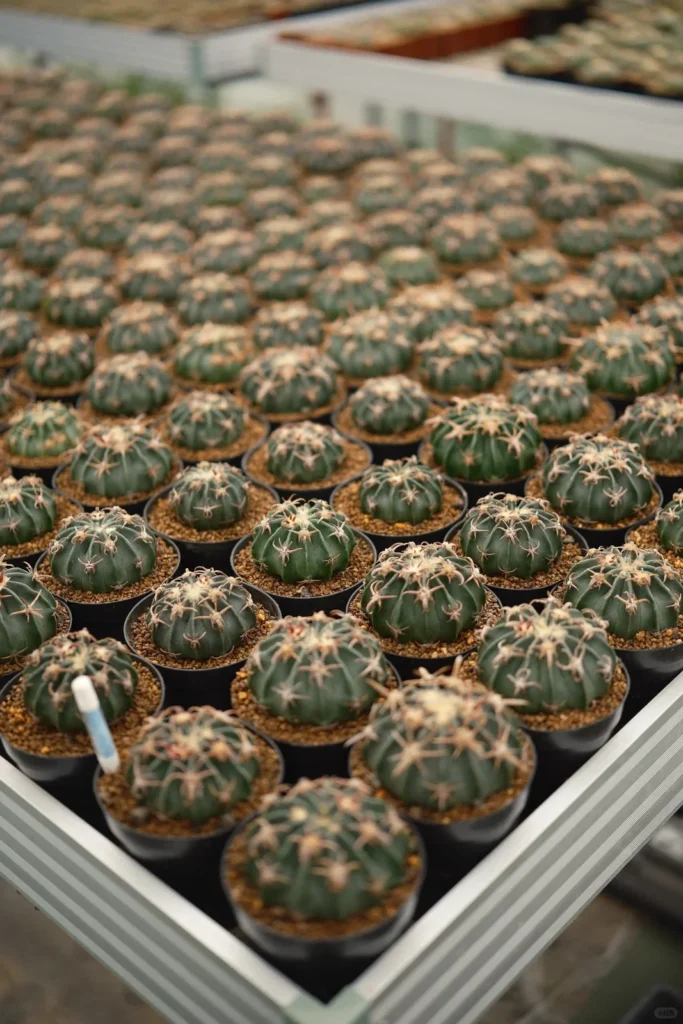
A repeat cactus order should begin with the results of the previous batch. Copying an old buying list can also copy its weak sellers, unclear size descriptions and unresolved receiving issues. For nurseries, garden centers and specialist retailers sourcing from China, a useful reorder connects each requested plant to a measurable specification and an internal sales record.
This guide focuses on replenishment after a first purchase. For the initial product mix, use our cactus assortment planning guide; for a first supplier evaluation, start with the trial order guide.
Review the previous batch by order line
Keep a separate record for every combination of plant name, cultivar or form, body-size band and root status. Two plants sharing a species name may serve different customers if one is grafted, one is own-root, or their cosmetic grades differ. Use the supplier’s item code together with your own SKU, rather than relying on a photograph alone.
Reconcile the quantity received with the quantity accepted for sale. Keep rejected plants, customer returns, transfers between stores and other adjustments separate from completed sales. Otherwise, a stock reduction can look like demand even when no customer bought the plants.
| Record | What to capture | How it affects the reorder |
|---|---|---|
| Accepted quantity | Count accepted after receiving inspection | Sets the starting point for demand analysis |
| Completed sales | Units sold during a defined period, net of returns | Separates paid demand from stock adjustments |
| Sellable balance | Physical count still available to customers | Prevents ordering against an inaccurate balance |
| Product feedback | Size, spine condition, variegation and root-form comments | Identifies the specification to retain or change |
| Unresolved issues | Receiving discrepancies and agreed follow-up actions | Keeps open issues visible before a larger commitment |
Calculate a buying estimate from your own sales
Use a consistent period, such as the last four full selling weeks. Record promotions or closures beside the figures. A discount event or a week when the item was unavailable should not silently become a normal weekly forecast.
Illustrative planning formula: target units for the planning period + your chosen buffer − sellable units on hand − confirmed incoming units = indicative reorder quantity. Treat a negative result as zero, and review the result against cash, space and the supplier’s actual quotation terms.
For example, if your records show 6 units sold per week, a four-week planning period represents 24 units. With an internally chosen buffer of 4, 9 sellable units on hand and 5 confirmed incoming units, the indicative requirement is 14. These numbers illustrate the calculation; they are not a demand forecast, a recommended buffer, a supplier minimum or a delivery-time estimate.
Use comparable periods when evaluating slow-selling specialist forms. One unusual specimen sold immediately does not establish a repeatable weekly rate. Give low-volume selections a separate review instead of multiplying one sale into a large order.
Carry forward the approved plant specification
Identify the exact features that made the previous batch suitable. For cacti, carry forward the plant-body diameter range separately from pot size and the full spine footprint. Record single heads versus clumps, own-root versus grafted plants, and any agreed limits on scars, spine damage or variation in color.
Attach the approved specification to the new inquiry with a revision date. Label old photographs with the previous order number and date so they cannot be mistaken for the new batch. A request for “the same as last time” should still show the plant name, form, size band, quantity and photo reference.
If root status needs clarification, our grafted and own-root buying specifications explain which details to separate. Compare a revised price only after confirming that its specification remains comparable.
Approve the new batch separately
A successful first order provides useful buying history, but it does not approve every later plant. Request dated photographs of the offered batch, with item codes visible and a ruler for representative measurements. Ask which quantity each photograph represents and whether the smallest and largest plants in the size band are shown.
- Match the new quotation lines to the requested codes and specification revision.
- Check whether a named form, root type or size has changed.
- Record any acceptable replacement in writing before packing.
- Keep unapproved alternatives out of the confirmed quantity.
- Retain the new batch’s photo set with the final order record.
Use the batch photo checklist for the photographic review and the substitution guide when a replacement is proposed.
Plan replenishment around confirmed milestones
Ask the supplier to identify the stages that still need confirmation: selection, photo approval, packing preparation and dispatch arrangements. Use those responses, together with your receiving capacity, to plan the next buying decision. Do not treat an old transit time or a preferred arrival date as a new commitment.
For a U.S.-bound repeat order, have the importer recheck the exact plants and China origin against current USDA APHIS guidance and ACIR. Requirements depend on the commodity and origin. A previous shipment does not establish the conditions for a new plant mix.
Send a focused cactus reorder inquiry
Browse the current cactus and caudex catalogue, then send this short buying brief through our wholesale inquiry form or WhatsApp:
We are reviewing a repeat cactus order for [destination]. Previous order reference: [reference]. Requested item codes and names: [list]. Please quote [quantities] in [plant-body diameter bands], keeping [root type and form]. Attached old photos show the previous specification. Please provide new batch photos and identify any proposed changes, itemized costs and milestones that still need confirmation.
Frequently asked questions
Should every item from a trial order be reordered?
No. Review accepted quantities, completed sales, remaining sellable plants and customer feedback by item. Retain successful specifications and investigate weak results before repeating them.
Can I use the previous price as the new order price?
Use it as a comparison point. Request a fresh quotation with the same measurement and cost scope, then review any changes in quantity, grade, packing or delivery arrangements.
Do new photographs matter if the supplier has not changed?
Yes. Keep the prior photos as a specification reference and approve the newly offered batch separately. Link both sets to their correct dates and order references.