Wholesale Cactus Packing Checklist: Labels & Dispatch Photos
Use a wholesale cactus packing checklist to agree plant protection, order labels, carton manifests and dispatch photos before shipment from China.
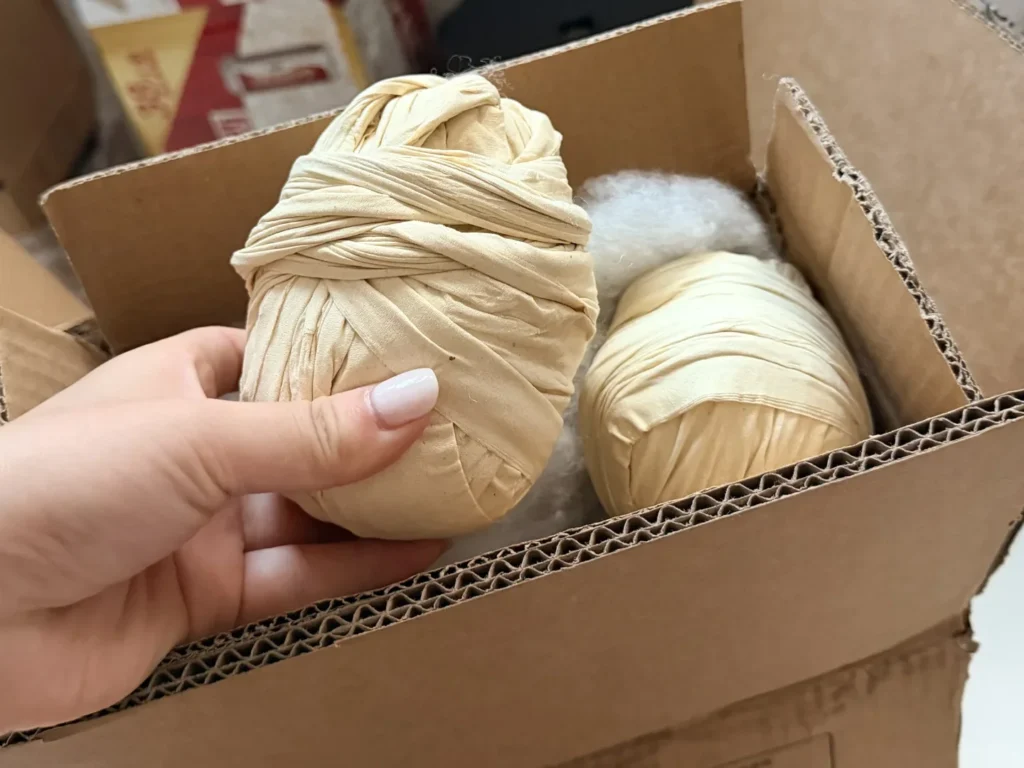
A wholesale cactus packing checklist should connect the approved buying list to the plants, labels and cartons that will actually leave the supplier. Good photographs of wrapped plants are useful, but buyers also need a repeatable packing specification and a way to match each package to an order line.
This guide covers the decisions and evidence to agree before dispatch. For shipment-format comparisons, read bare-root versus potted plant shipping. For arrival inspection, use our separate cactus receiving checklist.
Agree the permitted plant format before choosing the packing
Put the exact botanical labels, current root format and approved shipment form on the order sheet. State whether the quoted preparation includes removing a pot or growing medium, and identify the condition expected at dispatch. These are details to confirm for the specific order, rather than assumptions based on a supplier’s general packing photo.
Ask how the preparation and packing plan will vary across solitary balls, multi-head clumps, long-spined plants and larger caudex forms. A material that works for a small rounded plant may not suit a tall graft or an irregular cluster. Keep different formats on separate lines when they need different handling.
Use a packing approval sheet with clear evidence
| Checkpoint | Agree before packing | Dispatch evidence |
|---|---|---|
| Plant preparation | Exact plant form and preparation responsibilities | Representative plants after preparation |
| Spine and body protection | Wrapping or separation appropriate to the shape | One packing example for each different form |
| Root protection | Permitted materials and support for the agreed root format | Relevant root view before the wrapping is closed |
| Labels | Order code, line code and individual or bundle numbering | Readable label and matching manifest entry |
| Carton arrangement | Count, separators, internal support and orientation | Open-carton view with visible arrangement |
| Dispatch record | Final carton count, dimensions, weight and document references | Closed-carton views and finalized packing list |
Assign an owner for each checkpoint. For example, the supplier prepares the sample packing photographs, the buyer approves the method, and the receiving team keeps the final manifest. Written responsibilities make it easier to resolve a missing photograph or mismatched label before the carton is sealed.
Review pressure and movement, not just the amount of wrapping
Ask for a representative packing example before the full batch is wrapped. Show how the plant is supported, how spines are protected and how adjacent plants are separated. Thick wrapping is not automatically a better specification if it presses against the plant or makes identification difficult.
For clusters, ask how projecting heads and the connection points are supported. For grafted plants, request a side view showing the arrangement around the top plant and rootstock. Discuss which surfaces the wrapping touches and how the plant is kept from moving inside its own package.
Confirm materials with the supplier for the approved plant form and route. Ask how the condition of roots and plant surfaces will be assessed before wrapping. Avoid setting one universal drying period or one moisture instruction across different plants and shipment conditions. The agreed plan should identify what happens when the batch is not ready for the scheduled packing step.
Make the labels useful to the receiving team
Use a short order code and an order-line code that remain readable after wrapping. If individual plants were approved by photograph, retain their individual codes. If a batch is sold within a size grade, agree on bundle numbering and the quantity represented by each bundle.
The packing list should connect carton number, line code, plant name, size or grade, root format and count. Keep the supplier’s reference code alongside your own SKU when both are needed. A label such as “mixed cactus” may be too vague for a buyer expecting several separately priced selections.
Do not substitute commercial codes for botanical identification required in the shipment’s documents. Ask the responsible parties to check that the names, counts and formats in the packing list align with the final order and applicable paperwork.
Request photographs in a useful sequence
- Before wrapping: show the prepared batch, identifying labels and representative size or root details.
- One packing example: show a plant before and after wrapping for each materially different form.
- Before closing: show each carton number, internal arrangement, separators and the packed lines it contains.
- After closing: show the sealed carton, readable shipment label, final count and the recorded dimensions and weight.
Request photographs with readable labels and enough context to connect them to the manifest. Record the date and order reference. A close view of one wrapped plant is not a complete record of a multi-carton order.
Agree which evidence requires your approval before dispatch and how long the supplier should allow for a response. If you request changes, retain the revised photographs and mark the version that was approved. This avoids leaving the packing team with conflicting instructions.
Check substitutions and packing changes before release
Ask the supplier to flag changes to plant form, quantity, packing material, carton arrangement or freight scope before proceeding. A larger replacement clump may require a different support method and can change carton space. Approve both the plant substitution and the corresponding packing adjustment.
Confirm which preparation, packing and documentation charges are included in the quote. Use our wholesale quotation comparison guide when two suppliers describe different levels of service. Specify the agreed delivery point and who receives the tracking and final documents.
Check the U.S. route and applicable packing requirements
The official APHIS import guidance points buyers to commodity and origin requirements in ACIR, permitting tools and plant inspection information. It also identifies requirements for regulated wood packaging. Check the actual plants, origin, shipment form and packing materials before finalizing the dispatch plan.
Confirm the document and routing responsibilities for the proposed shipment with the relevant parties. Wrapping a plant or removing a pot does not, by itself, establish that a shipment meets the applicable entry conditions.
Give the receiver the same approved record
Before dispatch, send the receiving team the final buying list, carton manifest, approved packing photographs and the agreed discrepancy-reporting process. Record who should receive a report and the timeframe specified in the purchase terms. This helps the team compare the delivery with the actual agreement rather than with an earlier reference image.
Use our packing and documents process to organize the discussion, then request a packing quotation for your plant list. Include plant names, sizes, quantities, root formats and destination.
Frequently asked questions
Is a single photograph of wrapped cactus enough?
It shows one example. A useful dispatch record also connects plant preparation, labels, carton contents and the final manifest.
Should every cactus use the same wrapping method?
Agree the method by plant form, dimensions and root format. Review separate examples when clusters, long spines or grafts need different support.
When should the buyer approve packing changes?
Agree an approval point before dispatch. Review changes together with their effects on plant protection, carton space and the quoted service scope.