Buying Mammillaria bocasana: five questions before you order
Buying powder puff, Fred or crested Mammillaria bocasana? Resolve quote units, plant measurements, batch photos and root condition before approving an order.
A Mammillaria bocasana wholesale quote can leave several buying decisions unresolved: which form your customers expect, what counts as one unit and which photographs belong to the offer. Settle those questions before comparing prices. Our catalogue separates the species selection from crested, ‘Fred’ monstrose and multilanata entries.
For a shop building a repeatable display, decide which outline and size band you want to replenish. For individually selected collector plants, ask for the exact specimen photographs and an approval record.
Which form will fit my shop’s display?
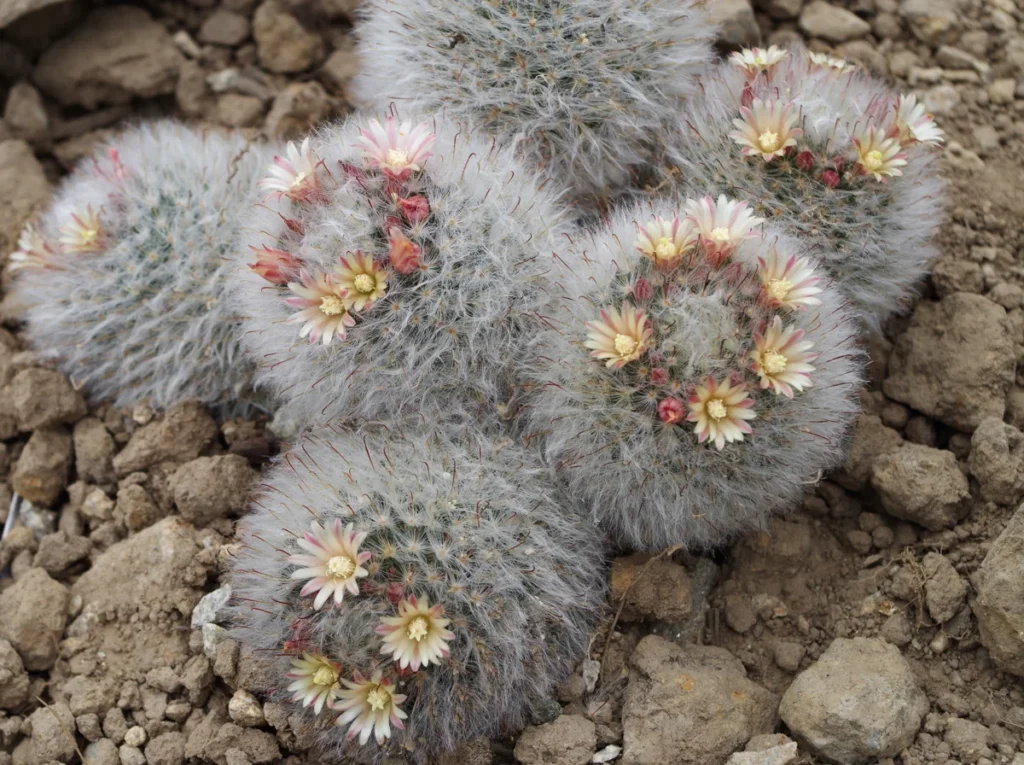
The RHS description of Mammillaria bocasana identifies clustered, spherical stems with dense, fine whitish spines. That description gives background for the species. Named nursery forms and individual plants still need their own labels and evidence.
Our species selection, CAP-C0405, and the named forms below provide separate starting points for an enquiry. Catalogue labels identify the selection being discussed; they do not establish current quantities, propagation history or a shared commercial grade.
| Selection | Record for the quote | Photo request |
|---|---|---|
| Species selection, CAP-C0405 | Single main head or clump; body size and overall footprint | Top and side views showing the number of visible heads |
| Crested, CAP-C0868 | Crest width, depth and rooted or grafted status | Both faces and the base of the offered plant |
| ‘Fred’ monstrose, CAP-C0869 | The supplier’s full label, current outline and individual or batch sale | The offered plant or agreed examples of the lot |
| Multilanata, CAP-C0871 | Full nursery label and the appearance grade you accept | Comparable views of the white covering and plant outline |
Approve substitutions by form, not just by the shared species name. Our catalogue lists ‘Fred’ separately from the species selection. Keep combined descriptions intact. A listing labelled ‘Fred monstrose crested’ is a separate enquiry from ‘Fred monstrose’. Before preparing retail labels, have the supplier confirm the name and photographed form together. A photo alone cannot verify a clone or its history.
Am I paying for one head, one clump or one pot?
Ask the seller to define the sale unit on each quote line. A pot, a rooted clump and an individual head are different specifications. Keep the agreed count beside the item code and approval photos, then compare the dimensions on the same basis.
Specify the widest body measurement of the main head, then record the full width of the clump separately. A pot diameter describes the container and should stay in its own field. For a crest, ask for width and front-to-back depth with the ruler visible in each view.
Agree whether the measurement ends at the stem surface or includes the white spine covering. If the body edge cannot be seen clearly, ask how the supplier measured it instead of extracting a precise diameter from a photograph. Count visible developed heads separately from tiny offsets, and write down what the count includes.
How can I check whether the photos match the offer?
First ask whether each image shows the offered specimen, a representative batch plant or a reference selection. Request current photographs for approval. The reference image on this page illustrates the ordinary hairy form only; it is not evidence of the root condition or availability of an offered plant.
Request a complete view before a close-up. Compare the plant outline and white covering under similar lighting, with the same item code beside each photograph. Include clear views of any visible discoloration, exposed areas or old marks that could affect your display grade. A bright image alone cannot establish plant condition.
For a batch, ask which plants the photographs represent and how the rest of the lot will be graded. For a specimen, keep its approval photograph with the quote line and state whether a replacement needs fresh approval. The batch photo checklist covers how to connect tray views with individual items.
What root condition and packing am I agreeing to?
Keep propagation history separate from present root condition. Record whether the plants are on their own roots or grafted, and whether they are established, recently rooted or unrooted. If grafted material is offered, record the rootstock and measure the selected body separately from the complete plant.
Agree how the plant surfaces will be protected during packing and request preparation photographs without asking the supplier to disturb roots solely for a routine picture. Record the packing format and which costs the quotation includes. Do not turn a reference photograph into a promise of identical condition after transit.
What should I send to get a usable quotation?
Use one line per catalogue code, with the requested unit, dimensions and quantity. Add your destination and intended use, such as nursery growing or an individually labelled shop display.
Please quote the attached Mammillaria bocasana selections separately. Confirm the full labels, single-plant or clump units, measurement method, root status and available quantities. Send current approval photos and itemize packing and freight to our destination. Please seek approval before replacing a selection.
U.S. import requirements depend on the specific commodity and country of origin. Check the exact botanical identity, Chinese origin and shipment format through USDA APHIS and its ACIR database before arranging dispatch. A catalogue entry is not an import clearance or a permit exemption.
Send your Mammillaria bocasana buying list. Include the product codes and destination so the discussion starts with the forms you actually want.
For a buying list covering several species, use the Mammillaria wholesale guide to plan the wider assortment.