Caudiciform Plant Sourcing: Caudex Sizes & Selection
Source wholesale caudiciform plants with clearer specifications. Compare caudex measurements, specimen photos, batch selection and packing requirements.
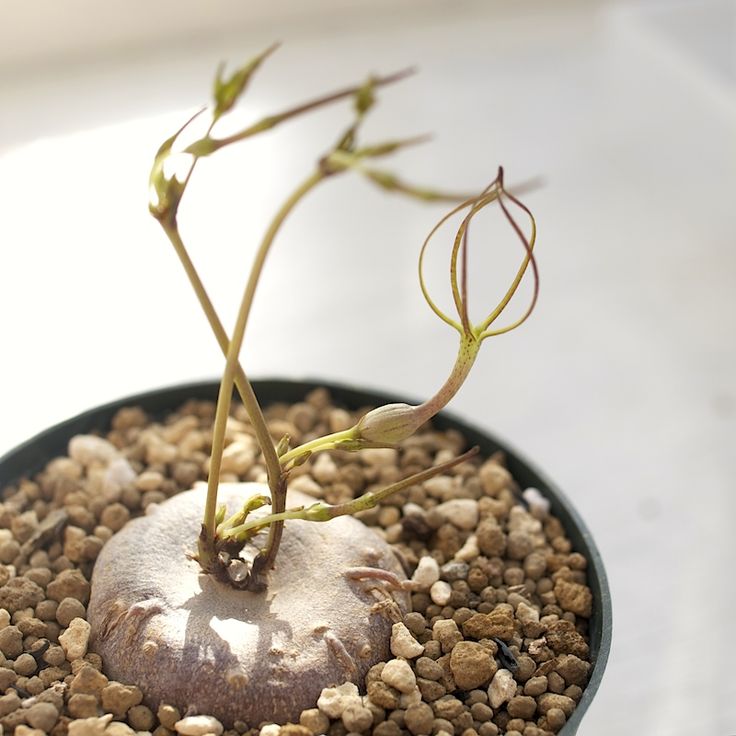
Caudiciform plants are often chosen for the form of their swollen base, trunk and branching structure. Two plants with the same name and nominal size can look very different. When sourcing wholesale caudiciform plants, define the measurements and visual features that make a plant suitable for your market.
China Arid Plants reviews inquiries for caudiciform selections and individual specimens. Website photographs illustrate plant forms; current identity, sizes, quantities and selection photos are confirmed for each request.
1. Agree how caudex size is measured
“Caudex size” needs a measurement method. Ask where the diameter is taken and whether the quoted measurement refers to the exposed base, its widest point or another agreed location. A part of the swollen structure may be below the growing-medium surface, so clarify what is visible in a photograph and what the quoted dimension includes.
Diameter and circumference are not interchangeable. Record the measurement type and unit in your buying list. If the form is irregular, ask for the dimensions that best describe it rather than relying on one number. Overall plant height should also specify whether the pot is excluded and whether it is measured to the tallest branch.
| Specification | Useful clarification |
|---|---|
| Plant identity | Botanical name when known, plus a reference image. |
| Caudex measurement | Diameter or other agreed dimensions, measurement point and units. |
| Plant height | Height excluding the pot, with the top measurement point identified. |
| Presentation | Preferred base shape, branching, exposed form and pot requirements. |
| Selection method | Representative batch or individually approved specimens. |
2. Separate size requirements from form preferences
Use reference images to explain the silhouette you prefer. Identify the relevant features in words: a broad base, a tall trunk, a compact outline, a particular branching structure or an exposed caudex. A supplier can then check the feature you mean instead of treating the image as a general style reference.
For a retail batch, decide how much natural variation is acceptable. You may want a consistent size band while allowing different shapes. For a display specimen, a specific form may be more important than small differences in height. Mark each requirement as essential or preferred, and state whether alternatives can be proposed.
Leaf presence and visible appearance may change with the plant’s growing cycle and preparation. Ask about the condition expected at dispatch and the handling information available for the proposed selection, rather than assuming a reference photograph shows its appearance throughout the year.
3. Ask what the selection photographs represent
Confirm whether you are reviewing the exact plant, a representative group or a historical reference. For individually selected specimens, request identifying references that can be matched to the agreed order list. Front and side views help explain three-dimensional shape; a clear measurement reference helps support the size description.
For a batch, ask for an overview alongside representative close-ups. Review visible surfaces and the base form against the agreed requirements. Where preparation exposes roots or other areas, ask whether relevant photos can be supplied at that stage. Agree the review process before payment and preparation begin.
4. Discuss packing around the actual dimensions
A plant with a wide base or long branches may need more space and support than its height alone suggests. Share any requirements for protecting the outline or presentation, and ask which packing format is practical for the selected plants.
Bare-root and potted formats have different handling and destination implications. Confirm the proposed format before comparing prices. Our plant shipping format comparison explains the questions to ask. The packing and export process also shows how document and shipment discussions fit into an order.
Before sending a caudiciform sourcing request
- List plant names or clearly labeled reference photographs.
- Give caudex dimensions, measurement method and overall height.
- State quantity per item and whether exact specimens must be approved.
- Describe acceptable variation and substitution preferences.
- Include the destination and any requirements already confirmed by your importer.
- Ask for packing, freight and document details in the quotation.
If you are testing a new selection, review our trial order planning guide. To discuss a buying list, use our wholesale plant sourcing service or contact the team directly.