Wholesale Parodia magnifica: Single Plants, Clumps and Quote Grades
Source Parodia magnifica from China with clear single-plant or clump grades. Compare body size, nursery labels and approval photos before requesting a quote.
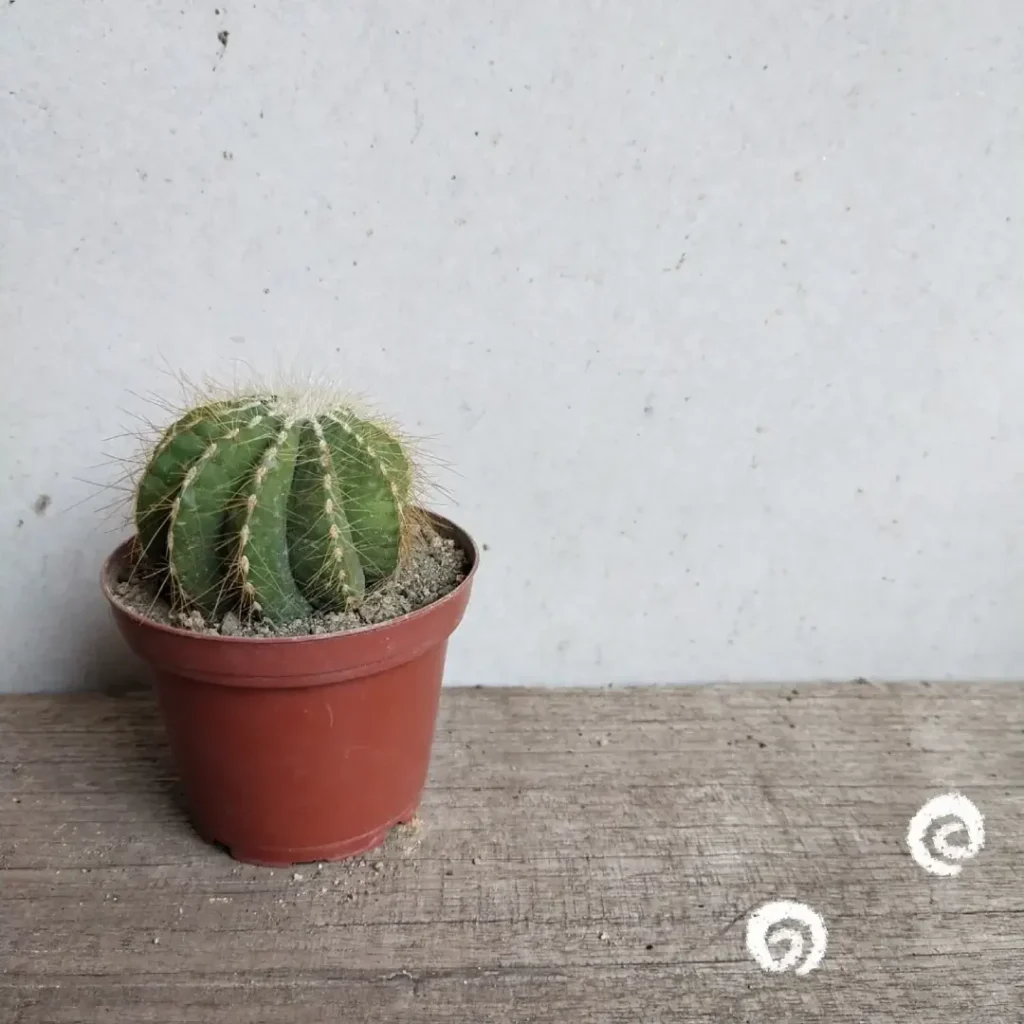
A wholesale Parodia magnifica enquiry needs a counting unit as well as a body diameter. Decide whether your shop wants single plants or attached clumps, then ask for the proposed grade in current photographs. Keep green and variegated selections on separate quotation lines.
Match the name before comparing offers
Kew accepts Parodia magnifica, a cactus native to Rio Grande do Sul in Brazil. Its synonyms include Notocactus magnificus and Eriocactus magnificus. If an offer uses one of these older names, retain it beside the accepted name so the nursery label and your purchasing record can be compared.
The North Carolina Extension description identifies a bluish-green body with prominent ribs and yellow flowers, and notes that the species can form clusters. Those features help explain a selection request, but a photograph alone cannot authenticate a nursery label, propagation history or root system.
Start with CAP-C0535, our Parodia magnifica catalogue entry. The variegated selection, CAP-C0964, is a separate enquiry. A catalogue code identifies the requested selection; ask which plants and sizes the supplier proposes for your order.
Define the grade your shop can use
Measure the plant body across its widest point and record the spine span separately. For a clump, add the overall width and the diameter of the largest body. A pot measurement describes the container and should have its own field.
| Selection | Specify in the enquiry | Evidence to request |
|---|---|---|
| Single plant | Body diameter, height and acceptable outline | Side and top views, with a ruler beside the body |
| Attached clump | Whole width, largest body size and one clump as the counting unit | Whole outline and the connections between bodies |
| Variegated selection | Acceptable colour distribution, plant form and root presentation | Views of all sides under consistent light; a separate quotation line |
| Mixed size grade | Agreed minimum and maximum measurements and permitted variation | Several proposed plants showing the range, with item codes |
Write down how quantity is counted. Ten attached clumps, ten separate rooted plants and ten detached offsets are different requests. Ask whether offsets will remain attached and whether the quoted presentation includes the pot. Do not infer these details from the number of visible heads.
Approve the outline and visible condition
A top view shows the crown and rib arrangement. Side views reveal the base and the height that may be hidden by the pot rim. Request an unobstructed view when flowers, labels or neighbouring pots cover these areas. Keep the date and plant or batch code with each approval photograph.
Agree how visible marks, uneven growth and broken spines will be handled in the grade. Ask for close views of anything that needs clarification before accepting the selection. Colour in a photograph depends on lighting and processing, so request consistent lighting when comparing several proposed plants.
If the order covers a representative grade, approve its range rather than treating one attractive specimen as a promise for every unit. Any proposed change from a single plant to a clump, or from a green plant to a variegated form, needs a separate approval. Our substitution guide explains how to keep that change with the quotation.
Send a quotation request with usable fields
Use the Parodia magnifica enquiry form with your item code, quantity and target measurements. State whether you need own-root or grafted plants and ask the supplier to confirm the actual root presentation. For a grafted proposal, request the rootstock label and dimensions too.
Include your destination country, receiving postcode and, for U.S. enquiries, the receiving state. Ask which packing and transport items are included in the offer and which require a separate discussion. Keep the approved plant specification with that scope when comparing quotations.
Buyer questions
Does a clump count as several plants?
The quotation must define the unit. Request a price per attached clump or per separate rooted plant, whichever matches your buying plan.
Can an older Notocactus label be retained?
Yes. Keep the original nursery label alongside the verified accepted name. Resolve any mismatch before approving the selection or preparing order records.