Wholesale Haworthia from China: A Buyer’s Selection Guide
Source wholesale Haworthia from China with clear size, root and batch-photo specifications. Compare quotations and plan U.S. import checks before ordering.
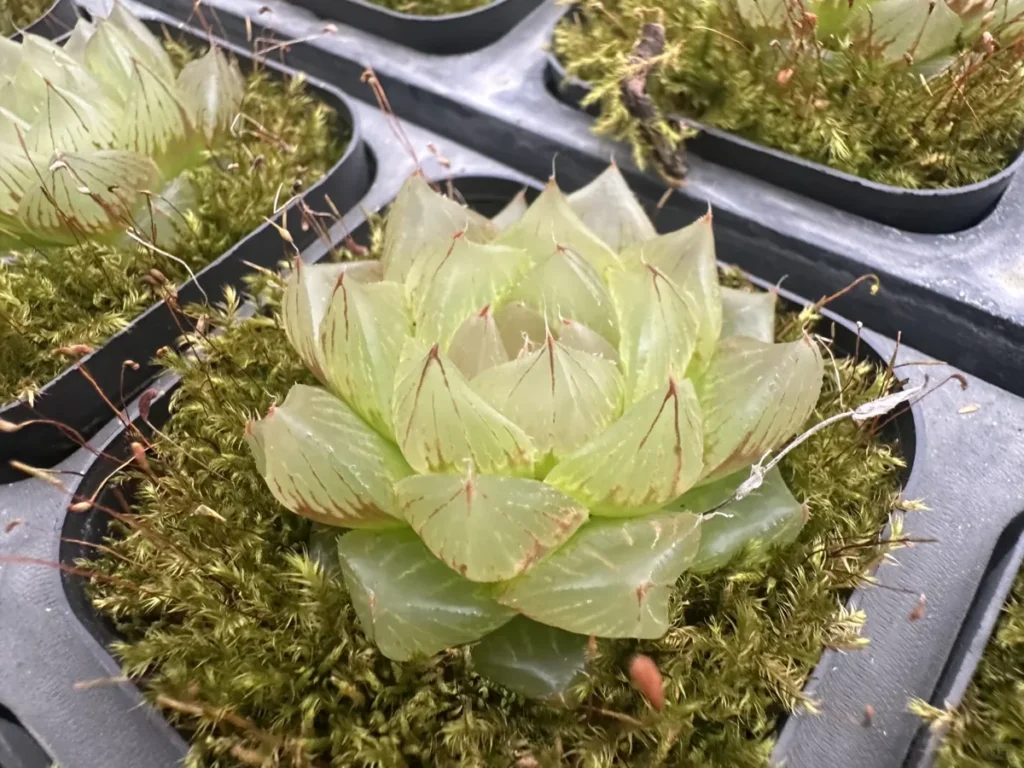
Buying wholesale Haworthia from China starts with a clear selection brief: the plant name, rosette diameter, root condition, quantity and the standard you expect on arrival. A striking catalogue photograph can help you choose a style, but the quotation should describe the actual batch offered for your business.
This guide is for specialist retailers, nurseries and plant importers building a repeatable buying list. Start with our Haworthia selection catalogue, then use the checklist below to turn reference selections into comparable requests.
Choose Haworthia stock for your sales channel
Decide whether you need plants for nursery growing on, individually photographed collector stock, or a retail assortment that can be labelled consistently. These are different buying requirements. A nursery may accept a smaller plant and a longer preparation period; a specialist retailer may put more weight on presentation and the identity of each selection.
Separate repeatable selections from exceptional specimens. For regular replenishment, ask whether the same selection, size band and propagation format can be offered again. For a specimen purchase, request photographs of that particular plant and agree whether substitutions are permitted. A reference image alone does not establish either arrangement.
Keep the nursery name and reference code together. If the botanical identity is uncertain, ask the supplier to confirm it before the name goes onto your invoice or retail label. Similar nursery names, translations and photographs can describe different selections; an attractive trade name is not a substitute for identification.
Define size, roots and grading before comparing prices
For a rosette plant, specify the diameter across the plant body and state whether you mean the widest leaf span. A pot diameter is a container measurement: it should not stand in for the size of the plant. Ask for a ruler photograph using the same measurement method you put in the buying list.
| Field | What to specify | Why it matters |
|---|---|---|
| Identity | Nursery name, confirmed botanical name where available, and catalogue code | Keeps photographs, labels and quotation lines connected |
| Plant size | Rosette diameter in centimetres, measurement method and acceptable range | Prevents a pot size being mistaken for a plant size |
| Root condition | Established roots, recently rooted stock, or unrooted material | Changes the receiving plan and time before resale |
| Propagation | Ask whether the offered batch is seed-grown, offset-grown or tissue-cultured | Documents the offered material without assuming uniformity |
| Appearance | Colour, variegation requirements and acceptable cosmetic marks | Gives both parties a practical grading reference |
| Quantity | Units per selection, permitted substitutions and total order quantity | Makes a mixed list easier to quote and check |
Request a description of the offered root condition rather than relying on the word “rooted.” Ask when the photographs were taken and whether they represent the full batch or selected examples. Neither a size band nor a propagation method proves that every plant will have the same colour, shape or condition.
Ask for a useful batch photo set
A top-down photograph helps compare rosette shape and leaf appearance. A side view helps show height and presentation. A ruler image verifies size. Where root condition is part of the purchase, ask for an appropriate root-condition photograph during preparation rather than treating a photograph of a potted plant as proof of the roots.
For a batch purchase, include an overview and representative examples from different parts of the lot. For a specimen purchase, match the individual plant to its quote line. Ask the supplier to identify which photos are reference plants, parent plants or the actual offered stock.
When ordering variegated selections, describe your required appearance with agreed examples. Avoid assigning a precise percentage of variegation from one bright photograph. Lighting and camera processing can change the appearance, and the name of a selection does not by itself specify the grade you will receive.
Compare the complete quotation and receiving plan
Compare suppliers on the same requested specification. The buying decision should account for plant cost, preparation, packing, freight, destination handling and your own receiving work. A lower plant price does not establish a lower total cost for saleable stock.
Ask the quotation to identify the currency, unit of sale, quantities, packing format, named delivery point and which charges each party covers. Keep the availability date and proposed dispatch window separate from the arrival estimate. Agree how missing items, substitutions and damage will be documented and reported.
Plan who receives the shipment, checks the item list and records the initial condition. The appropriate preparation and establishment time depends on the plants actually supplied and your growing conditions; do not build a resale schedule around an unsupported recovery guarantee. Our bare-root versus potted shipping guide explains the format discussion to have before confirming a shipment.
For U.S. buyers, check the exact plant and origin
USDA APHIS says plant import requirements depend on the commodity and country of origin, and directs buyers to its ACIR database. Check the offered botanical identity, Chinese origin and shipment format against the current requirements before committing to dispatch. See APHIS: how to import plants.
A listing in our sourcing catalogue is not confirmation that a particular plant can enter the United States. Identify the importer and confirm the applicable permit, certificate, inspection and any other required arrangements for the specific order. Read our export process alongside the official requirements.
Send a Haworthia buying list that can be quoted
Use one line per selection. Include the reference code, target size, root condition and quantity, then add your destination and intended arrival period. If you need alternatives, describe acceptable substitutions and ask for approval before they are included.
Illustrative request, not a stock offer: Please quote the Haworthia selections attached to this inquiry. For each line, confirm identity, available rosette diameter, root condition, propagation format and quantity. Please send current batch photographs, identify reference photos, and itemize preparation, packing and freight to our destination. Do not substitute selections without approval.
Request Haworthia photos and a wholesale quote →
Wholesale Haworthia FAQ
Can I order a mixed Haworthia assortment?
Send the names or catalogue codes and quantity per line. Ask the quotation to confirm the available mix and any minimum quantity for each selection. A catalogue entry does not guarantee an available batch.
Does the photograph show the plant I will receive?
Only if that is explicitly confirmed. Ask whether the offer is for the pictured specimen, an equivalent-grade batch, or descendants of a reference plant, and request current photographs.
Should I compare Haworthia by pot size?
Use a stated plant measurement such as rosette diameter for the buying specification. Include pot size separately if pots are part of the agreed offer and shipment format.
Can every Haworthia selection be shipped to the U.S.?
Do not assume so. Verify the exact botanical identity, origin and applicable current requirements through APHIS before the shipment is arranged.
For the next category in your mixed buying list, read our wholesale Agave buying guide.