Wholesale Agave from China: Sizes, Offsets & Variegation
Buy wholesale Agave from China with clear plant sizes, offset and root specifications, variegation grades and packing details. Prepare a comparable buying list.
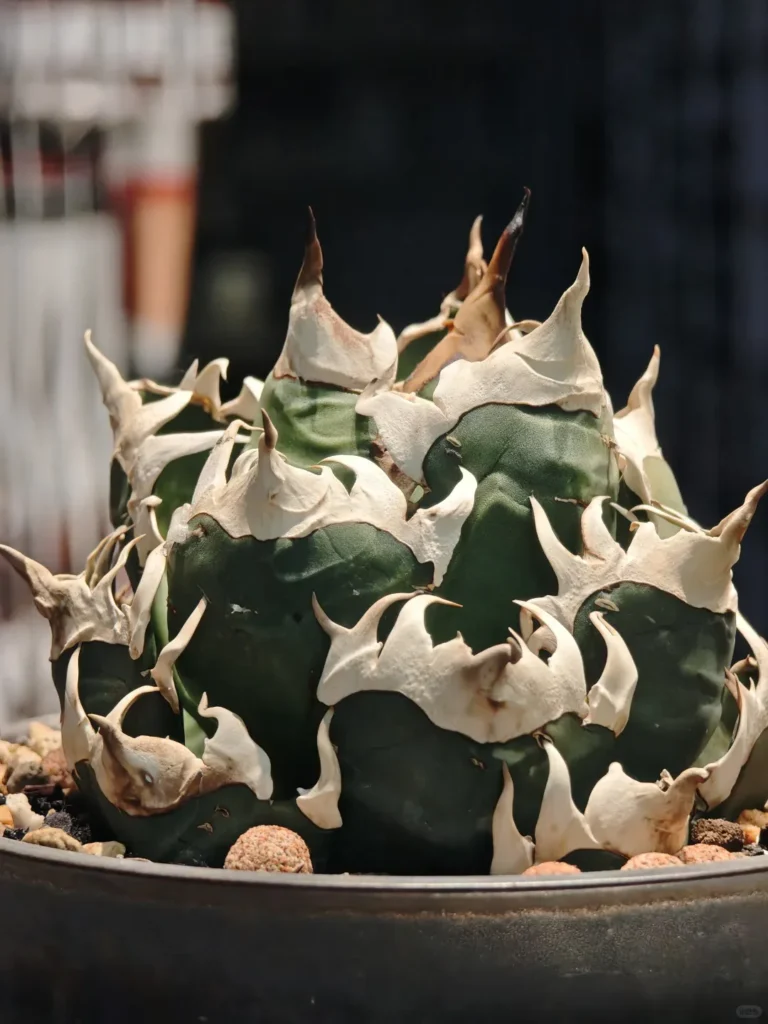
When sourcing wholesale Agave from China, confirm exactly what the quotation includes: a seedling, an offset, an established young plant or the individually pictured specimen. A photograph of a mature parent plant can help illustrate a selection, but it does not describe the size, root condition or appearance of the plants being offered.
For specialist retailers and nurseries, the most useful buying list connects identity, measured size, propagation format and current stock photographs. Browse our Agave selection catalogue, then use this guide to request comparable offers.
Distinguish parent plants, offsets and sale plants
Start by asking what each image represents. “Parent plant reference” should be treated as a description of the source selection, not a promise that you will receive that specimen or an identically sized plant. If the offer is for offsets, request photographs of the offsets that are actually available.
Ask whether the offered material is detached, rooted or established. For an offset, clarify whether it has already been separated and what evidence of root condition can be provided. For seed-grown plants, ask how the batch is identified. A cultivar label or propagation method alone does not establish uniform appearance.
Write the agreed format on the quote line. A compact rooted plant and a larger unrooted offset can require different receiving work, even if they share the same nursery name. Decide which format suits your selling channel and the preparation capacity of your nursery.
Measure the plant instead of relying on the pot
Ask for the widest rosette span, plant height and the measuring convention. State whether the diameter includes projecting spines and whether height excludes the pot. This gives the supplier a repeatable specification and helps you plan handling and display space.
For photographs, request a ruler at the same level as the measured plant and a side view. If you also need pot dimensions for a potted offer, record them as separate fields. A pot diameter is not a reliable substitute for the dimensions of the Agave inside it.
| Buying field | Request to make | Check against the offer |
|---|---|---|
| Identity | Botanical and nursery names, plus a reference code | Names match the photos and invoice line |
| Sale format | Seedling, offset, rooted plant or pictured specimen | The photo is clearly identified as reference or actual stock |
| Dimensions | Rosette span and height in centimetres, with a measuring convention | A ruler image supports the requested size band |
| Roots | Detached, recently rooted or established condition | The receiving plan matches the offered material |
| Appearance | Variegation, shape and acceptable cosmetic marks | Representative images support the agreed grade |
| Packing | Individual protection, labels and movement control | The quoted packing suits the actual shape and size |
Agree the appearance of variegated Agave
If variegation is central to your offer, describe the pattern and grade you are requesting and use clearly identified reference images. Ask for top-down and side photographs of the offered lot under ordinary lighting. Record acceptable variation rather than assuming every plant will look like a selected catalogue image.
A trade name does not specify the appearance of every offset or seedling. Ask the supplier to clarify what the name means for the available batch and how the plants were selected. Where an individual appearance is essential, agree an individual specimen purchase and match the plant to a quote code.
Discuss existing cosmetic marks before shipment. Ask the supplier to disclose visible scarring, damaged tips or other presentation issues that matter for your retail channel. This creates a practical comparison point when you document receipt, without promising that live plants will remain visually unchanged.
Plan packing around leaves, spines and labels
Use the dimensions of the actual offered plants to discuss packing. Ask how projecting leaves and spines are protected, how each plant is held in place, and how labels remain associated with the correct selection. The supplier should explain the proposed method for that batch rather than applying an unnamed standard carton to every plant.
Compare the carton count, packed dimensions and quoted freight basis. Larger leaf spans may change space requirements even where the order contains relatively few plants. Do not calculate freight from plant count alone, and ask which packing and preparation charges are included.
The choice between bare-root and potted formats must fit the destination requirements and the agreed receiving plan. Use our plant shipping format guide to prepare that discussion. No packing format by itself establishes import eligibility or guarantees a damage-free shipment.
Compare total sourcing cost and responsibilities
Request an itemized quotation covering the plants, preparation, packing, documentation charges where applicable and freight. Confirm the currency, unit prices, quantities, named delivery point and charges assigned to each party. Keep destination handling, your receiving labour and any establishment period in your own cost plan.
Agree whether substitutions need approval, when the offered batch can be prepared, and how the initial condition should be recorded. A dispatch proposal is separate from an arrival estimate. Ask for the reporting period and evidence needed for missing items or damage before paying.
Check U.S. entry requirements before dispatch
USDA APHIS explains that requirements vary by commodity and origin and may change. U.S. buyers should check the exact botanical identity, Chinese origin and shipment format in ACIR before arranging importation. Use APHIS guidance on regulated plant material as an official starting point.
Confirm the importer, applicable documentation and inspection arrangements for the specific order. Any protected-plant requirements must be checked for the identified taxon; a general name such as “Agave” does not settle the requirements. Our export process page describes the commercial preparation steps, while official rules govern admissibility.
Build an Agave buying list that gets a clear answer
Send one line for each selection with a reference code, desired plant format, target dimensions and quantity. State your destination and whether the order is intended for immediate retail presentation or nursery preparation. Add the appearance standards and substitution rules you need.
Illustrative request, not a stock offer: Please quote the Agave selections on my list. Confirm whether each offer is for seedlings, offsets or established rooted plants. Identify parent-plant reference images and send current photos of the actual sale stock, including ruler views. Please itemize packing and freight, and confirm destination requirements before dispatch.
Request Agave batch photos and a wholesale quote →
Wholesale Agave FAQ
Will I receive the mature Agave shown in a catalogue?
Only when the quotation explicitly identifies that specimen as the sale plant. Otherwise ask whether the image shows a parent plant or a style reference, and request photos of the offered plants.
Are offsets and rooted plants interchangeable?
No. Record the offered plant format and root condition separately. A detached offset, recently rooted plant and established plant can call for different receiving plans.
Can I specify variegation when ordering a batch?
State the appearance you require, agree representative examples and ask how the available lot is graded. Do not assume a name or one photograph guarantees the appearance of every plant.
Is a mixed Agave and Haworthia order possible?
Send a line-by-line inquiry and ask which selections are currently available and eligible for your destination. Mixing categories does not remove the need to verify each plant. See our wholesale Haworthia buying guide for its separate specification checklist.