Wholesale Ferocactus from China: Body Size & Spine Clearance
Compare wholesale Ferocactus from China with separate body sizes, spine footprints, root forms and photo evidence before requesting a nursery quotation.
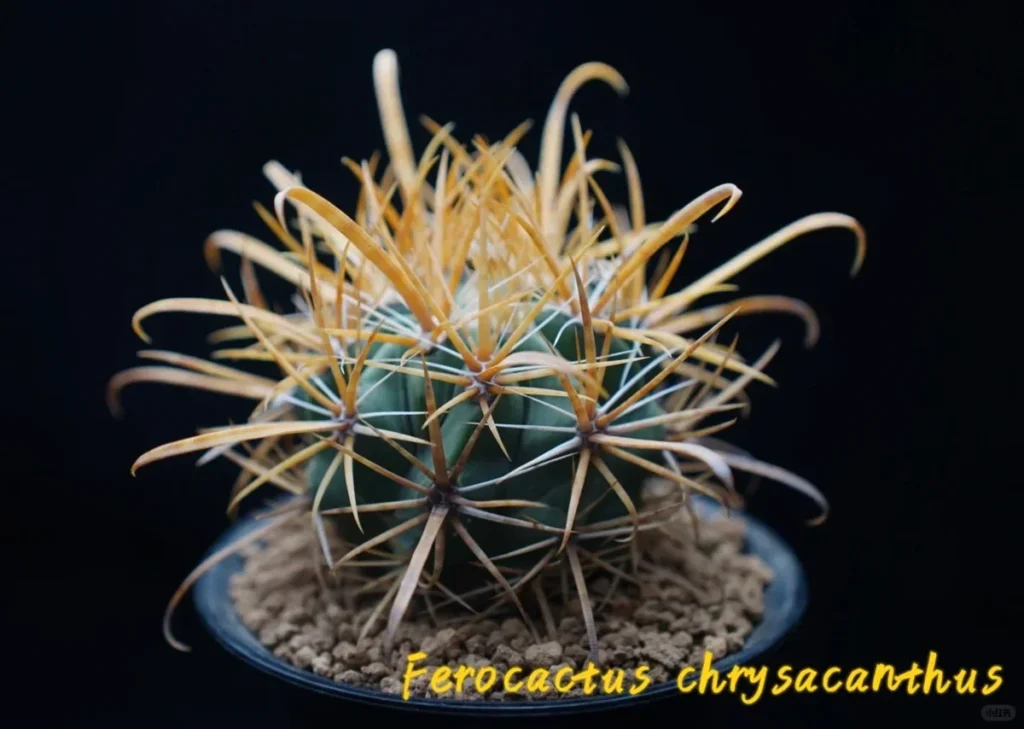
When sourcing wholesale Ferocactus from China, a diameter figure needs a definition. The green plant body, the widest projecting spines and the nursery pot can produce three different measurements. Treating them as one size can lead to mismatched quotations, crowded display trays or a packing proposal that does not fit the selected plants.
This guide helps nurseries and specialist retailers specify a Ferocactus order before requesting a quotation. Start with a named catalogue selection, then record body dimensions, the outer spine footprint, root form and the intended selling unit.
Build the shortlist around species and selection codes
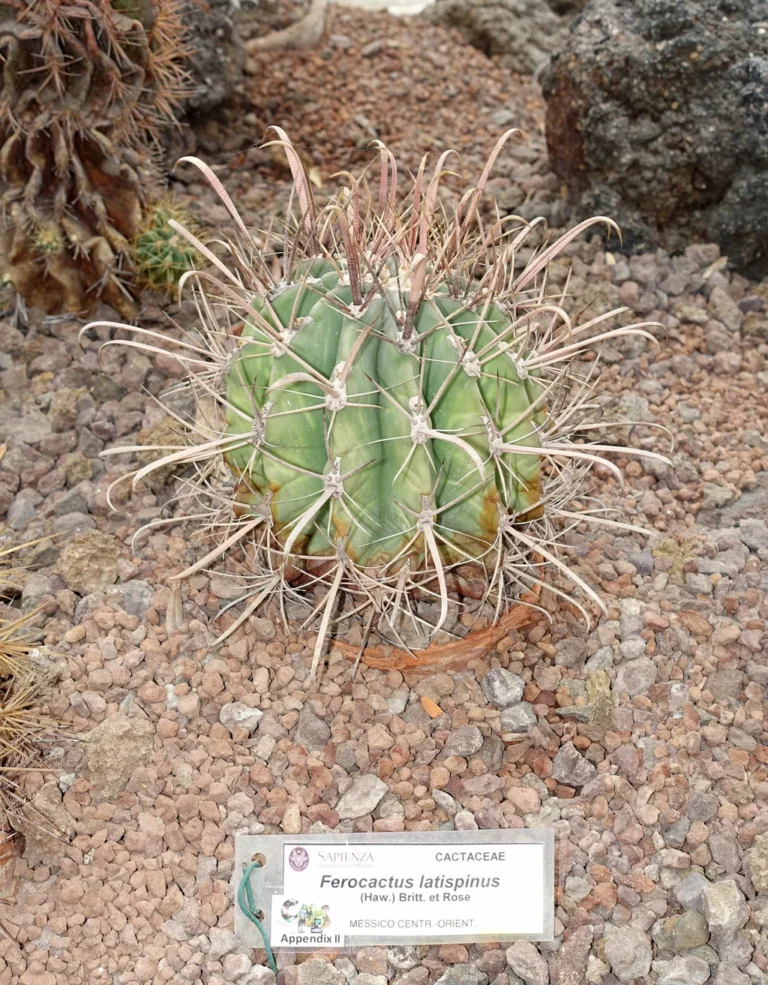
The current catalogue includes Ferocactus echidne, CAP-C0225, Ferocactus glaucescens, CAP-C0237, and Ferocactus latispinus, CAP-C0249. Use each code as an inquiry reference and request details for the plants being proposed.
Kew’s Plants of the World Online accepts the name Ferocactus glaucescens (DC.) Britton & Rose. A botanical name identifies the taxon; a horticultural label adds another purchasing field. For example, keep the catalogue’s inermis selection, CAP-C0783, on a separate line and ask the supplier to confirm its actual appearance and identity.
Specify four measurements instead of one size
| Measurement | Agreed method | Purchasing use |
|---|---|---|
| Plant-body diameter | Widest body width, excluding projecting spines | Compare the stated plant grade |
| Outer spine footprint | Maximum overall width, including the longest projecting spines | Review separation and handling space |
| Body height | Agreed base point to the crown; state whether exposed roots are excluded | Distinguish squat and taller forms |
| Container size | Pot opening, outer rim and height, recorded separately | Plan display trays and receiving space |
Use centimetres consistently and add inches if your U.S. receiving team needs them; 1 inch equals 2.54 cm. A photograph should show the ruler in the same plane as the measured part. For an uneven outline, request a second view rather than estimating the width from an angled photograph.
Two offers described as the same diameter are not comparable if one measures the body and the other includes spines. Ask both suppliers to restate the measurement on the same basis before comparing their unit prices.
Use the spine footprint to review space
Share your proposed tray or shelf arrangement with the supplier. Ask whether the quoted plant dimensions fit the intended spacing without pressing adjacent plants together. Record the maximum outside dimensions of the proposed plants as well as the body-size band.
For a packing discussion, ask how plants will be separated and secured. The necessary clearance depends on the selected plants and packing method; a diameter grade alone cannot establish a safe carton capacity. Use the cactus packing checklist to agree labels and preparation records after reviewing the dimensions.
Keep root form and cosmetic grade separate
Record whether each line is own-root or grafted and ask for supporting views. If a grafted plant is proposed, identify the scion and rootstock separately and measure both. The word “rooted” describes a condition, while propagation history describes how the plant was produced; neither should silently stand in for the other.
Agree visible acceptance criteria for broken spines, scars, uneven shape and other features that matter to your customers. A larger body does not automatically mean a higher cosmetic grade or a proven age. Our root-form buying guide explains the distinctions in more detail.
Ask for photographs that show the measured features
- A complete overview of the proposed selection or batch, with a readable order-line code.
- A top view showing the body outline and outer spine spread without a flower or hand obscuring the measurement.
- A side view showing body height and the stated root form.
- Representative plants from different positions, including the edges of an agreed size band.
- Close-ups of any visible defects that need a buyer decision.
Keep the photo date and approval reference with the order line. A general nursery photograph illustrates plant form, but the buying decision needs photographs linked to the actual proposal.
Review the specific U.S. shipment scope
Before agreeing a U.S. shipment, confirm the exact plant identities, origin, dimensions and proposed roots or media. USDA APHIS directs importers to check commodity- and origin-specific requirements through ACIR in its current plant-import guidance. Catalogue inclusion and a small order quantity do not establish import eligibility.
Request a Ferocactus quotation with comparable specifications
Send China Arid Plants your wholesale inquiry with the selection codes, required quantities, body-size bands, root-form preference and destination country/state. Add any maximum display dimensions and ask for the proposed spine footprint, photo references and packing scope. Pricing is discussed against the requested specifications; you can also send your shortlist on WhatsApp.
Frequently asked questions
Does a quoted diameter normally include the spines?
Do not assume a shared convention. Ask the supplier to state body diameter and maximum outer spine width as separate measurements.
Can I use pot size to compare Ferocactus plants?
Pot size helps with handling and display planning, but it does not replace plant-body measurements or establish age. Record the container and plant independently.
Can two selections of the same species share an order line?
Keep them separate when their horticultural label, appearance, root form or agreed grade differs. Give each line a code that follows its quotation, photographs and approval record.