Bursera fagaroides: Starter Plants or Display Specimens?
Buying Bursera fagaroides from China? Compare starter plants and display specimens, then check trunk measurements, branches, rooting history and approval photos.
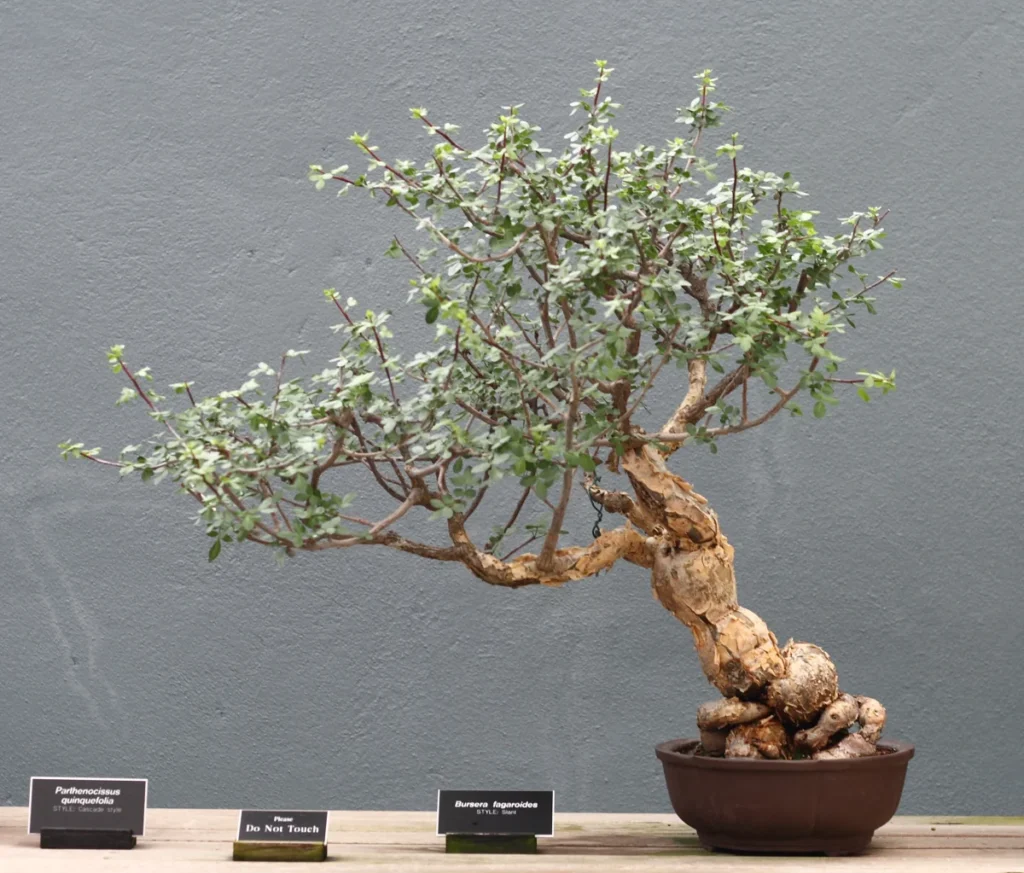
Decide whether the order is for plants that your nursery will develop or for individually selected display specimens. In a wholesale Bursera fagaroides enquiry, a photograph of a trained tree can leave this distinction unclear. State the intended use before asking the supplier to match a trunk size.
Decide what work the buyer will do
Kew accepts Bursera fagaroides, a shrub or tree in Burseraceae with a native range from southern Arizona to Mexico. The University of Arizona Campus Arboretum describes its thick trunk and use in bonsai cultivation. Those features explain the interest in its structure, but they do not establish how much training a nursery plant has received.
Start with catalogue reference CAP-K0005 and describe the work that will remain after receipt. A buyer planning further training can accept a different branch layout from a shop seeking a particular display silhouette. Avoid treating both requests as one interchangeable size grade.
| Buying purpose | Selection evidence | What to settle before approval |
|---|---|---|
| Nursery development | Trunk measurements, root status and views of the existing branch framework | Which variation is acceptable within the group and what further work the buyer plans. |
| A particular display plant | Individual code, several views of the same specimen and close views of important branches | The actual silhouette being accepted, including visible cuts, scars and any training material. |
Record the trunk and branches that matter
For a leaning or irregular trunk, use a straight-on ruler photograph to show the measurement points. Record the widest exposed base separately from trunk width at a specified height. Measure plant height from the agreed base level and give the branch spread in each direction. Pot diameter should stay in its own field.
Request front, side and rear views to show the branch arrangement. Label the intended front on the approval photographs. If a low branch or a particular bend is essential to the purchase, identify it directly in the record. Specify which of those features must remain intact during preparation.
Ask whether the plant has been pruned or wired and request close views of visible cuts or wire contact points. Do not estimate age from trunk thickness or a sculptural outline. If a quoted age matters to the buying decision, ask what record supports it.
Read the current foliage and bark
The University of Arizona profile describes bark that sheds in sheets and leaves that can drop in response to drought or cold. A flaking outer surface or a leafless photograph therefore needs context. Ask for the photograph date, recent growing conditions and the supplier’s explanation of the present stage. Those visible features alone cannot establish that a plant is healthy or ready for transport.
The same profile describes propagation by seed or cuttings. Ask which method was used and whether the proposed material is rooted and established. List recently taken cuttings separately from established plants, and state their rooting condition.
For the receiving area, the university recommends full sun and well-drained soil. Ask how the offered plants have been grown and prepare an appropriate transition to your own nursery conditions. A landscape hardiness description is not a shipping-temperature agreement or a reason to promise unchanged foliage after transport.
Approve the same plant through handover
Keep the chosen specimen’s code with its approved views and final invoice line. For a group grade, record the acceptable range of structure and visible condition, then ask for an overview of the actual selected group. Keep substitutions subject to fresh approval.
- Confirm which branches and trunk features must remain intact. Any proposed pruning before packing needs agreement.
- Record whether support, wire, a pot or other display materials are included. Ask how loose or projecting parts will be protected.
- Retain dated views of the prepared plant linked to the packing-list code. Compare the same views during the receiving check.
Use the general receiving checklist for counts, labels and discrepancy photographs, while keeping this tree’s branch record alongside it. Protection and documentation describe the agreed process; they do not guarantee arrival condition or establish import eligibility.
Buyer questions
Does the reference bonsai show the grade that will be supplied?
No. It is a botanical garden display reference. Approve the actual proposed plant or group through current supplier photographs and a written specification.
Can a leafless plant be approved from one photograph?
Ask for the current growth-stage explanation and evidence of the trunk, branches and rooting condition. A single image cannot resolve those separate questions.
Send CAP-K0005, the intended use, target measurements, quantity and destination through our wholesale enquiry page. Mention any branch arrangement that is essential to your selection.