Wholesale Ariocarpus from China: Labels, Roots & Size Grades
Compare wholesale Ariocarpus from China with botanical labels, propagation records, body measurements and photo approval. Check trade documents before dispatch.
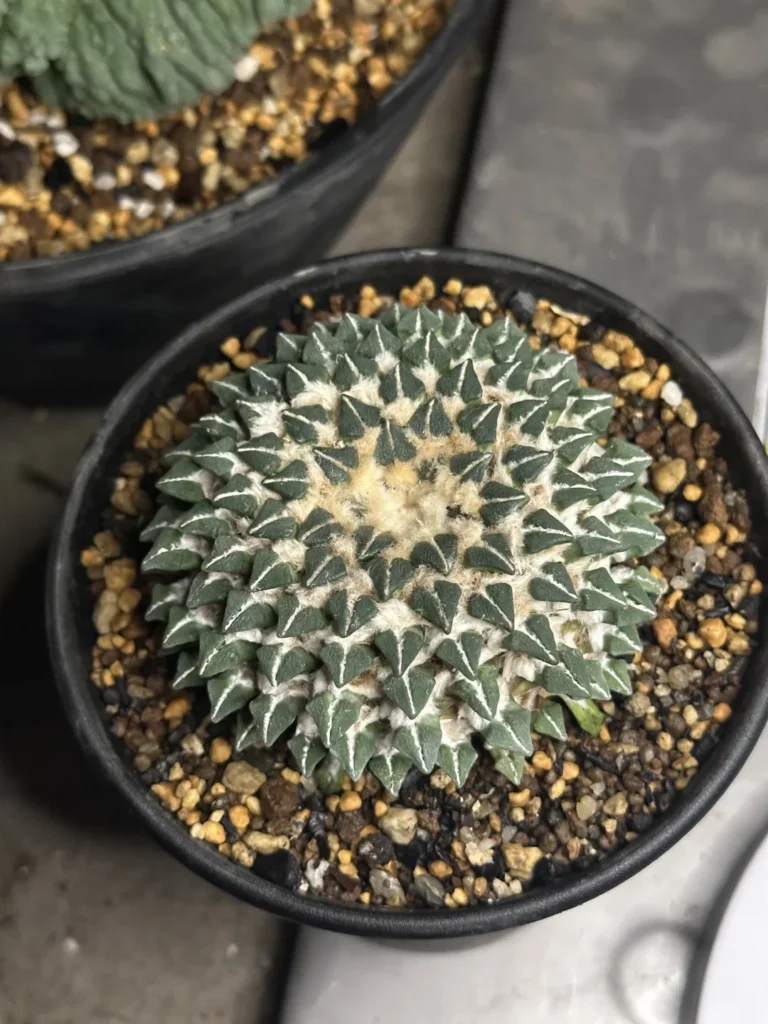
For an Ariocarpus wholesale inquiry, give each selection a full name, a reference code and a measured body size. Keep the nursery’s form name on the same order line. A top-view photo helps you choose the appearance; propagation history and root condition need their own records.
Keep botanical and nursery labels together
Kew accepts Ariocarpus retusus and also accepts Ariocarpus kotschoubeyanus. Both belong to Cactaceae. When a seller adds a nursery form, cross or selection name, preserve that wording separately from the botanical name. Ask what the label means if it changes the quotation.
For example, CAP-C0014 gives you a catalogue reference to discuss. Use the code in your inquiry, attach the appearance you want and ask the supplier to confirm the identity of the proposed plants. A reference photograph alone cannot establish parentage or a named clone.
If a cross is being offered, request the recorded parent names and the seller’s explanation of how that information is known. Keep an unresolved label open until both sides agree what will be supplied.
Record propagation history and present roots
Ask whether the plants were raised from seed, are currently grafted, or were previously grafted and later rooted. Record the present rooting condition separately. A plant described as being on its own roots still needs a clear propagation history when that history is part of your buying requirement.
For grafted plants, request the rootstock name and a side view that shows the union. For rooted plants, agree what root evidence can be supplied and when. If plants are still potted, arrange a later check at the agreed preparation stage instead of treating an overhead photo as a root inspection. Avoid unnecessary disturbance just to obtain an extra photograph.
Measure the body separately from the container
Specify the widest body measurement across the tubercles. For an uneven plant, add a second measurement at right angles. State whether a quoted height includes the rootstock or only the Ariocarpus body. Keep pot dimensions in a separate field.
| Order field | What to request | What to agree |
|---|---|---|
| Plant identity | Botanical label, nursery form and item code | Exact wording on the final order |
| Body width | Ruler view across the widest part of the plant | Size band, units and treatment of plants outside it |
| Plant outline | Top and side views of the proposed selection | Acceptable shape and any individual specimens reserved |
| Propagation and roots | Seed, graft or former-graft history; present root condition | Required evidence and when it will be reviewed |
| Quantity | Counts by name, form and size band | Whether the photograph covers the full proposed lot |
| Changes | Replacement identity, size and photos | Written approval before a substitution is packed |
Ask each supplier to quote against the same specification. If one measures the container and another measures the plant, revise the inquiry before comparing unit prices. The quotation comparison guide covers costs and delivery scope.
Approve the appearance of the actual selection
Review tubercle shape and spacing, the growing point and any marks you can see on the body. Ask for another angle where a feature is hidden by wool, shadow or a flower. Describe the feature you want reviewed without diagnosing a problem from a photograph.
A reference specimen can set the intended look. For a batch order, request a dated group view with the item code and count, then close-ups linked to that group. For individual plants, agree how each plant will be identified through preparation and packing. Keep the approval images with the order; follow the batch-photo checklist when several selections are involved.
Confirm legal trade eligibility before a U.S. shipment
USDA GRIN lists Ariocarpus spp. in CITES Appendix I. Check the current CITES Appendices for the exact taxon. A nursery-grown description is not sufficient evidence of the documents or trade eligibility for a particular shipment.
APHIS guidance covers protected-plant business permits, live-plant import permits and designated entry ports. Have the exporter and U.S. importer confirm the applicable documents and port for the actual plants and shipment before arranging dispatch. Catalogue inclusion is not confirmation of U.S. entry approval.
Send an Ariocarpus sourcing inquiry
Browse the Ariocarpus catalogue selections and list the codes or names you want, body-size bands, quantities and propagation requirements. Add your destination and the photos that explain your preferred form. Send these through the wholesale inquiry form to discuss plant specifications, documentation feasibility and a quotation.
Buyer questions
Does a large Ariocarpus body prove its age or propagation method?
No. Ask for the propagation record separately from measurements. An age or seed-grown requirement belongs in the agreed specification and needs supporting information.
Can one attractive photograph stand for the whole order?
Use it to explain the appearance you want, then obtain photos and counts for the proposed plants. Agree the acceptable variation and replacement procedure before approving the lot.