Wholesale Thelocactus from China: Species Labels & Selection Grades
Source wholesale Thelocactus from China with clear species labels, measured body sizes and agreed appearance grades. Build a shortlist for a specific quotation.
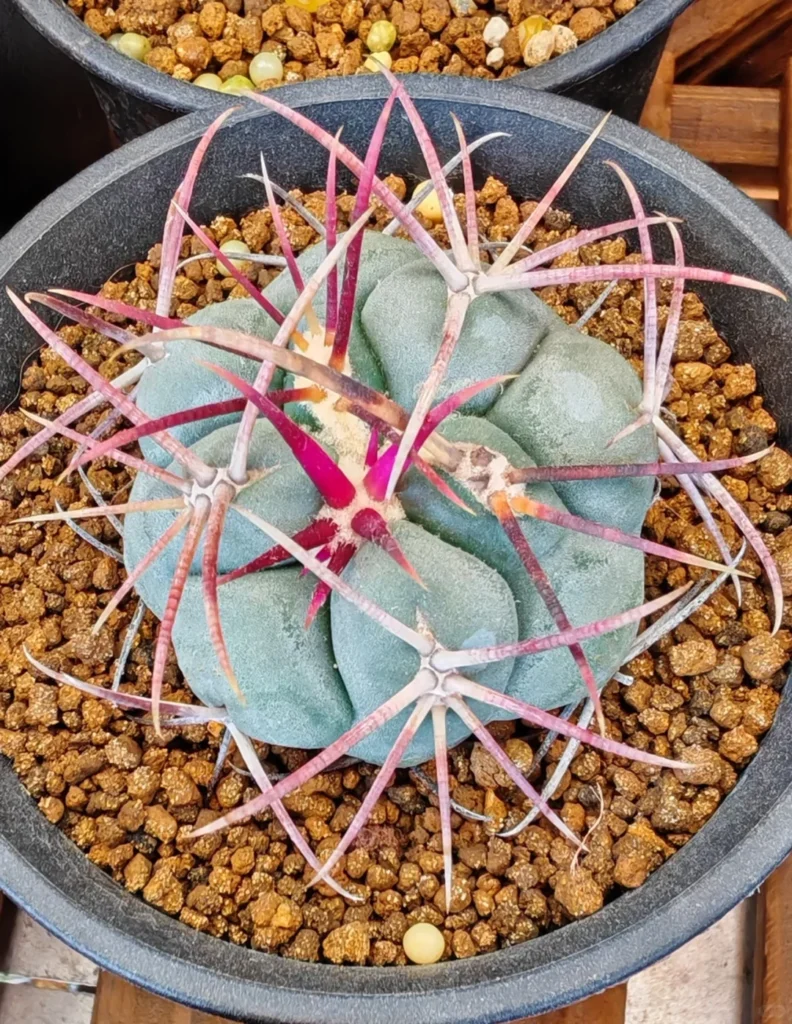
When sourcing wholesale Thelocactus from China, keep the species name and nursery form beside the size grade on every quotation line. Decide how much variation your shop can accept in body shape, spines and surface marks before comparing prices.
Start with a named shortlist
Browse the Thelocactus catalogue selections and record the product code beside each full name. For example, Thelocactus bicolor, CAP-C0591 and Thelocactus hexaedrophorus, CAP-C0594 are separate starting points for an inquiry. A catalogue entry does not establish the quantity or grade currently available.
Kew accepts Thelocactus bicolor and Thelocactus hexaedrophorus as species in Cactaceae. Its recorded native range for T. bicolor extends from southwestern Texas to northeastern Mexico; T. hexaedrophorus is native to Mexico. These botanical records help check names. They do not identify the origin of a nursery plant or prove that a particular plant is suitable for outdoor growing at your destination.
Keep a variegated, monstrose or hybrid label as a separate field when one appears in a selection. Do not shorten all those lines to “Thelocactus mix.” Ask for the supplier’s exact label and any supporting propagation record. A photograph alone cannot verify a named clone or hybrid parentage.
Define the appearance grade
Choose which visible traits matter to your customers. A buyer comparing body shape may want an unobstructed top view of the tubercles, the raised projections on the plant’s body. Another may give more weight to the spine arrangement. Put that preference into the inquiry rather than relying on “premium” or “best quality.”
| Selection field | What to specify | Photo or record to request |
|---|---|---|
| Body outline | Your preferred height-to-width proportions and acceptable variation | A level side view and unobstructed top view |
| Tubercle pattern | Which examples match the appearance you want | Close views in ordinary light, with the body visible |
| Spines | Whether broken tips or uneven spine presentation are acceptable | Several angles showing tips, not just the flowering crown |
| Surface marks | The marks that require separate approval | Close photographs with the affected area identified |
| Special form | The precise nursery label and acceptable appearance range | Labels connected to the corresponding plants |
There is no appearance grade defined by this table. It is a checklist for agreeing your own selection with the supplier. Use reference pictures to explain a preference, then request photographs of the proposed plants. Flower colour or a dramatic close-up should not replace a view of the body you are buying.
Keep body size separate from spine spread
Ask the supplier to state where each measurement starts and ends. Body width should exclude projecting spines if that is the basis of your size grade. Record the overall spine spread separately for handling and packing discussions. Pot diameter is a different measurement and should not stand in for either one.
Keep centimetres as the working unit throughout the quote if that is what the supplier measures. If your sales sheet also uses inches, identify the converted value and avoid comparing a rounded inch figure with a precise centimetre range. Ask for the lower and upper limits, how many plants fall outside them and whether those plants need separate approval.
Approve a selection that can be traced
Request a dated selection photograph with a batch or tray reference visible. Add individual close-ups where the agreed appearance cannot be checked from the overview. Keep the reference against the quotation line so that the approval applies to an identifiable selection.
Ask whether each line is own-root or grafted. For grafted plants, request both scion and rootstock names, their relevant measurements and a view of the union. For own-root plants, ask for the available propagation and current root-condition information. Neither a top photograph nor body size establishes age or rooting history. The grafted versus own-root buying guide explains the records to compare.
Request a comparable quotation
Send the shortlist, target quantities, measurement basis and photo-approval conditions together. Ask for separate costs for the plants, preparation, packing and transport where applicable, with currency and quotation validity stated. Leave substitutions subject to approval if a named selection cannot be supplied.
For a proposed U.S. shipment, check the exact taxon, origin and plant condition before agreeing dispatch. APHIS directs importers to ACIR for commodity and origin-specific requirements. Botanical name checks and visual approval do not replace that review.
Start a Thelocactus inquiry with CAP-C0591 and add the other product codes you are considering. Include your destination and the grade you would like quoted; availability and shipment arrangements need confirmation for the proposed order.
Buyer questions
Can I approve a mixed Thelocactus order from one tray photograph?
Use the overview to check counts and labels, then ask for closer views where species, size or appearance differs. Keep separate quotation lines for selections with different approval criteria.
Does a larger pot mean a larger cactus?
No. Ask for the plant measurements used in the quote. A pot measurement does not describe body width, height or projecting spines.