Wholesale Stenocactus from China: Labels, Ribs and Photo Grades
Compare Stenocactus wholesale selections from China by label, body size, rib form and variegation. Build a clear photo specification before requesting a quote.
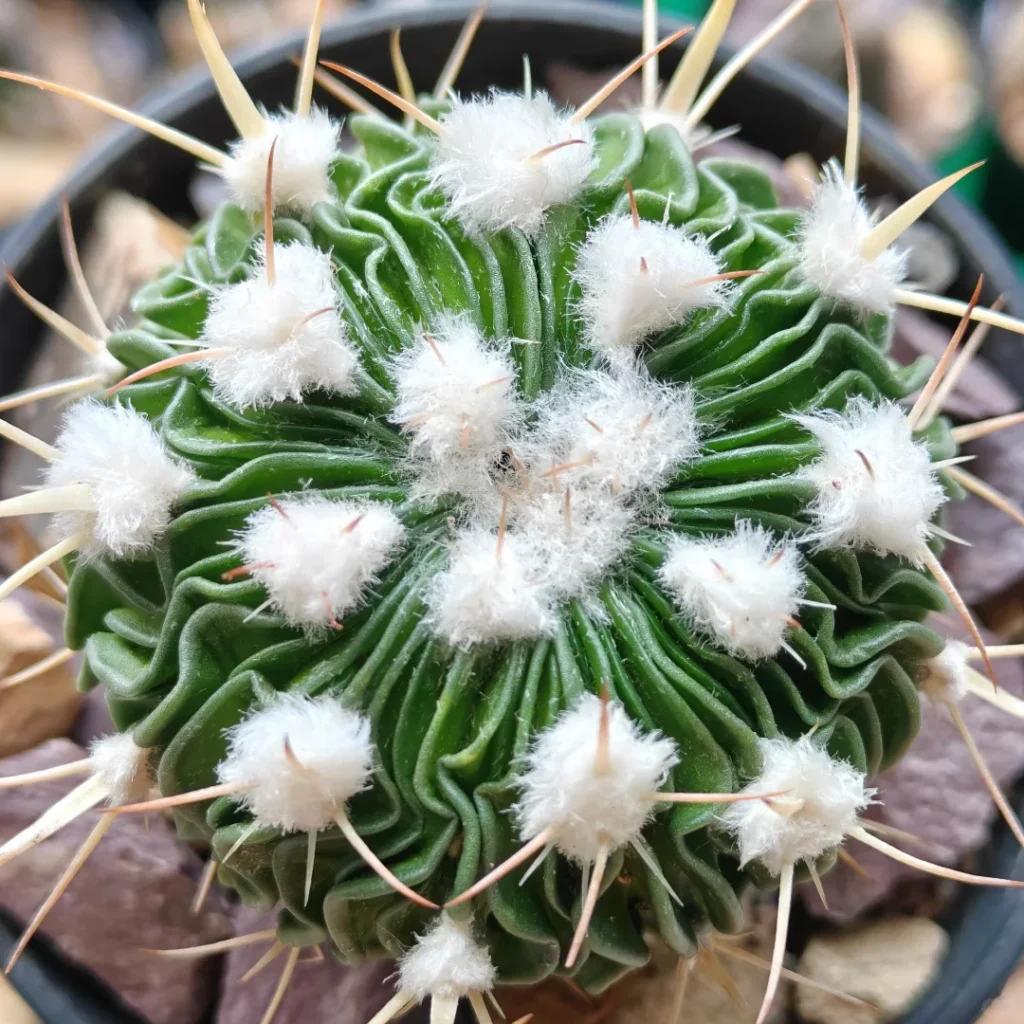
When buying Stenocactus wholesale from China, put the botanical name, body diameter and green or variegated selection on each quotation line. A photograph can show rib form, but it needs a scale and a side view to support a size grade. Agree which visible differences are acceptable before approving a batch.
Keep the botanical label on the quotation
Kew accepts Stenocactus multicostatus and lists Echinofossulocactus multicostatus as a synonym. The older name may therefore appear on a supplier label. Keep both the supplied label and the agreed name in the purchase record so that a later spelling change does not turn into an unapproved substitution.
The RHS describes thin, wavy ribs and a solitary or clustering habit. Use those features to specify the appearance you want. Rib count in a sale photograph does not establish the plant’s identity, age or origin. If the identification matters to your assortment, request the grower’s label and propagation information as well as photographs.
Choose a body-size convention that another person can repeat: measure across the widest part of the stem body, excluding projecting spines and the pot. For a cluster, record the overall spread and the main head’s diameter separately. A single width figure leaves too much room for two suppliers to grade different things.
Separate the two catalogue selections
| Catalogue selection | What to specify | What to confirm in batch photos |
|---|---|---|
| S. multicostatus, CAP-C0582 | Green selection; body-size band; single head or cluster | Rib form, overall shape and visible marks on representative plants |
| S. multicostatus variegated selection, CAP-C0988 | Variegation pattern you will accept; size band; quantity by grade | Colour distribution across several plants in consistent light |
These codes identify catalogue selections for an enquiry. Confirm the offered plants and quantities with the quotation. A variegated selection is a horticultural description; it does not create a separate botanical species. Keep heavily coloured specimens and mostly green specimens on separate quote lines if their appearance affects your buying decision.
Make the ribs visible in the photo set
A top view helps compare the rib pattern and crown. Add a side view with a ruler beside the stem, plus a wider view of the proposed group. Ask for the date and a batch reference in the same message. One attractive specimen should not define the grade for every plant in a mixed lot.
- Use diffuse light that shows the folds without deep shadows hiding one side. Keep the colour setting consistent across the group.
- Show the lower stem and any visible scars. Request a closer image of an unclear patch; a distant photo cannot establish its cause.
- State whether the offer is own-root or grafted. If grafted, identify the rootstock and show the union. Do not infer the root system from a top view.
- Keep flowers, labels and decorative top dressing from obscuring the body-size reference. Preserve a separate labelled view for traceability.
For a repeat order, send the previous accepted batch reference and explain which features should match. Allowing a size band while requiring a particular rib appearance is clearer than asking for plants that look exactly like one reference specimen.
Send a specification the supplier can quote
Start with CAP-C0582 or CAP-C0988, your requested quantity and the agreed measurement method. Add root status, acceptable visible marks and any colour preference. Include the destination city and ZIP code, and ask the supplier to separate plant cost, preparation, packing and transport charges in the response. Confirm what is included before comparing totals.
Ask for a fresh photo set of the proposed batch before final approval. Keep any replacement selection subject to written acceptance. The buying guides cover broader quotation and batch-photo checks if your enquiry includes several cactus genera.
For a US order, have the importer check current requirements for the exact taxon, China as the origin and the proposed plant form through USDA APHIS import guidance before dispatch. A catalogue entry is not an import clearance.
Request a Stenocactus quotation with your size band and destination, or send the reference photos on WhatsApp.
Questions before ordering
Should the diameter include the spines?
Specify stem-body diameter excluding projecting spines for the primary grade. If display width matters for your benches or packaging, request the total spread as an additional measurement and label it separately.
Can the reference photograph confirm that the whole lot is variegated?
No. Request current group photos and close views of representative plants, then agree the acceptable colour range on the quote. An illustration of one plant cannot establish the composition of a wholesale lot.