Wholesale Sinningia leucotricha: Tuber Grades and Receiving Checks
Source Sinningia leucotricha from China with clear tuber measurements, foliage-stage photos and receiving checks. Prepare an itemised wholesale enquiry.
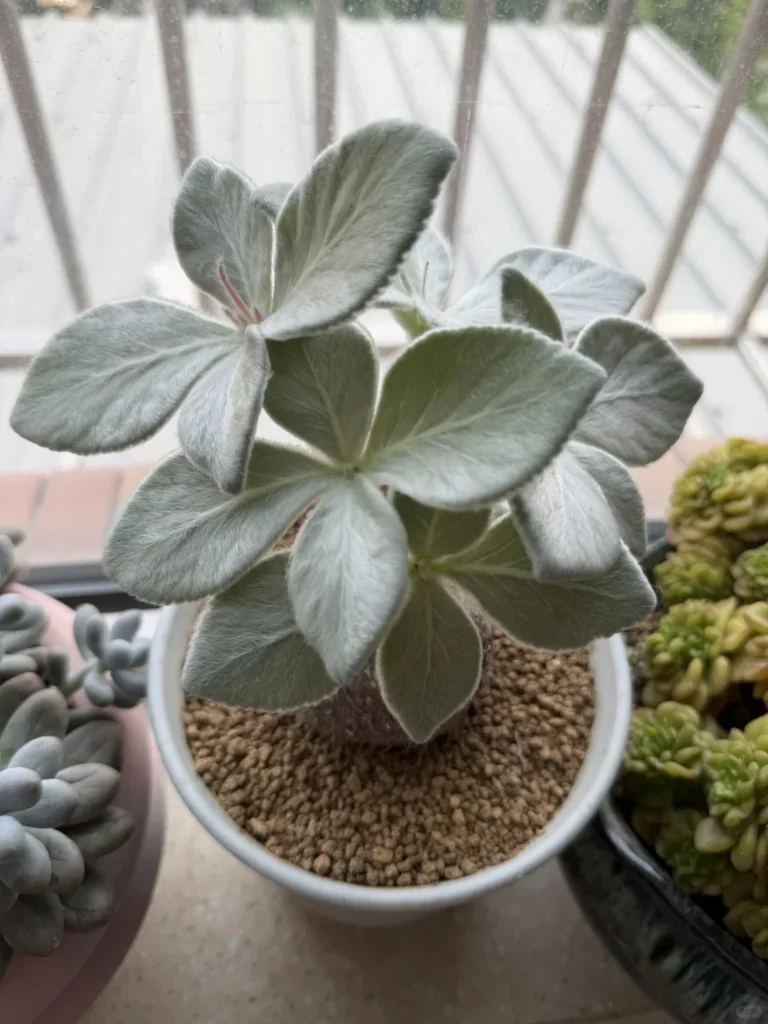
For a wholesale Sinningia leucotricha enquiry, request two descriptions of the offered plants: the tuber grade and the current foliage stage. A broad canopy can hide a modest tuber, while a leafless specimen needs a dated condition record to make the offer understandable. Keep those details beside the quantity and price on the quotation.
What the name covers
Sinningia leucotricha is an accepted species in Gesneriaceae, native to Paraná, Brazil. Kew describes it as a tuberous lithophyte. The RHS lists the older name Rechsteineria leucotricha and describes silvery hairy leaves, tubular orange-red flowers and a deciduous habit.
The Gesneriad Reference Web describes the exposed tuber, often called a caudex, and notes that the silvery covering is less pronounced on older leaves. Ask the supplier for the current growth stage when a batch looks different from a reference photo. Leaf colour or the amount of silver hair alone cannot establish the cause of a condition concern.
Write the tuber and foliage specifications separately
| Quotation field | Buyer instruction | Useful evidence |
|---|---|---|
| Tuber grade | Give the desired width band and ask where it is measured; add exposed height if relevant. | Side view with a ruler, showing the soil line or the agreed bare-root measurement point |
| Foliage stage | Record leafy, emerging growth or leafless as offered; specify whether presentation affects acceptance. | Dated whole-plant view and a closer view of the growing point |
| Quantity by grade | Separate different tuber bands and foliage stages on the quotation. | Group photos tied to the batch reference |
| Root and dispatch form | Ask whether plants are rooted, how roots will be prepared and what growing medium, if any, is proposed. | Written preparation description and suitable pre-dispatch views |
A pot’s nominal size is not a tuber measurement. Also distinguish the visible exposed portion from the full tuber dimension. If a measurement requires lifting a plant, agree whether that inspection is appropriate before asking the grower to disturb it. Keep the method consistent when comparing suppliers.
Use Sinningia leucotricha, CAP-K0108, to identify the catalogue entry in your enquiry. Ask for confirmation of the actual batch, its grade and the offered quantity.
Agree how the plant will be presented and packed
For plants with foliage, ask how the leaves will be kept from rubbing against packing material and how the tuber will be restrained. A packing photo should show the points of contact. If the offer is leafless, retain the supplier’s dated photos and stated growth stage so the receiving team has an agreed reference.
Discuss the receiving environment before dispatch, especially when the destination has cold weather. Ask the supplier and carrier to review the proposed route and handling arrangements. A winter delivery date alone does not establish that a route or a packing method will protect the plants.
Keep horticultural care separate from transport promises. The RHS advises free-draining growing conditions and warns against standing water or moisture settling on the tuber; its guidance also accounts for a dry dormant period. Ask for care instructions suited to the batch’s present stage and your growing conditions. Avoid setting a fixed watering schedule solely from an online photograph.
Record the condition when the box arrives
- Photograph the outer box, label and internal packing before removing everything. Keep the batch reference with the count.
- Compare tuber measurements using the method agreed on the quote. Record foliage stage and any visible breakage, rubbing or marks.
- Photograph a concern in place, then add a close view and the time of inspection. Send the record to the supplier before deciding on corrective handling.
- Keep plants with an unresolved condition concern separate for assessment. Agree the next step with the supplier; the reference photograph cannot diagnose the cause.
A list of exact observations, such as a detached leaf or an unagreed size, is more useful than a single description of the lot as poor quality. Refer to the written acceptance criteria when discussing a discrepancy.
Request a Sinningia quotation
Send CAP-K0108, the desired tuber width band, quantity by grade and your preferred foliage presentation. Include the destination city and ZIP code, plus the proposed receiving conditions. Request separate plant, preparation, packing and transport charges, and ask which items still require confirmation.
For US shipments, the importer should verify the exact taxon, origin and dispatch form against current USDA APHIS requirements before dispatch. This guide does not establish that a particular consignment is admissible.
Request a Sinningia leucotricha quotation, or send your size requirements on WhatsApp. For a broader selection, browse the wholesale plant catalogue.
Buyer questions
Does a leafless plant automatically mean the batch has failed?
The species is deciduous, so leaflessness can be part of its growth cycle. It does not establish the condition of an individual plant. Compare the supplier’s stated stage and dated photos, then report any specific concerns for assessment.
Can two plants with similar leaf spread be priced as the same tuber grade?
Only if the tuber measurements meet the agreed band. Record leaf spread separately when it matters to presentation, and ask the supplier to quote the actual tuber grade.