Wholesale Rebutia minuscula: Clumps, Crests and Quote Units
Buy Rebutia minuscula from China with clear single-head, clump and crest specifications. Compare quote units, measurements and current photos before ordering.
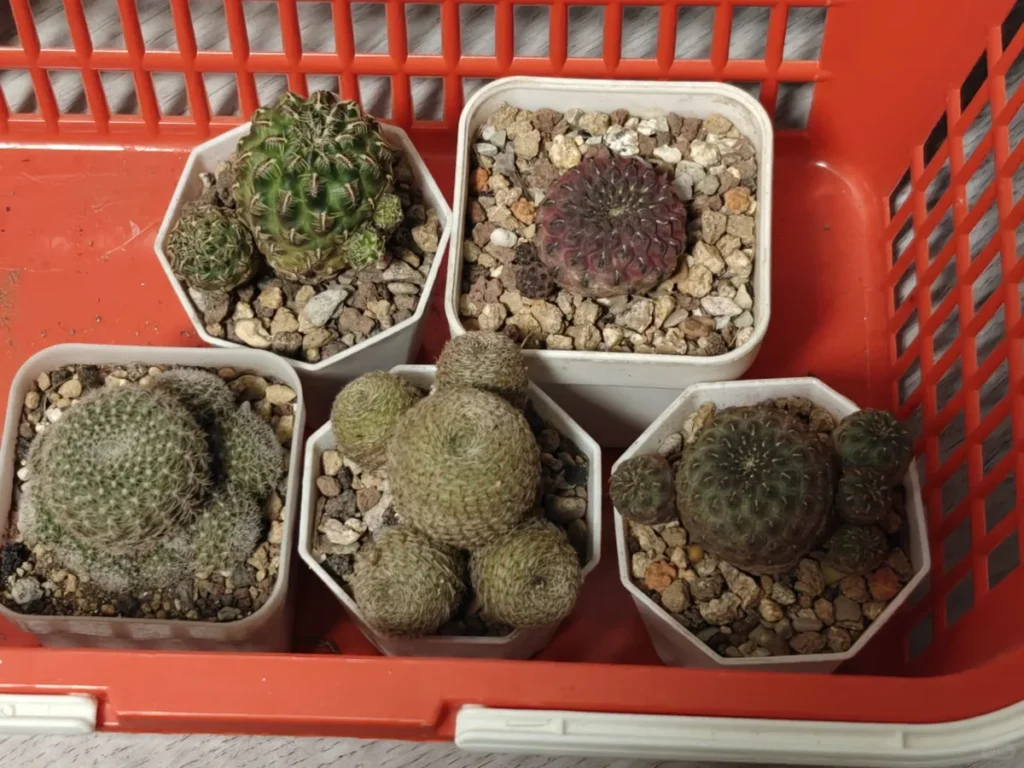
A Rebutia quotation needs a clear counting unit. One single-headed plant, one attached clump and one crested specimen can all arrive in a pot, yet represent different buying specifications. Settle that distinction before comparing unit prices or building a mixed order from China.
Keep the species and nursery form on the same line
Kew accepts Rebutia minuscula as a species native to northwestern Argentina. The RHS description of Rebutia includes solitary and clustering plants with rounded or short cylindrical stems. These facts explain why a botanical name alone is too broad for a buying list.
Our catalogue has a species selection and two separately labelled horticultural forms. Retain the full catalogue wording and product code when enquiring. A listing labelled inermis or crested inermis should be checked against current photos; those labels do not establish the propagation method, current size or exact plant offered.
| Catalogue selection | Code | What to clarify in the quotation |
|---|---|---|
| Rebutia minuscula | CAP-C0563 | Single head or attached clump; body diameter and agreed quantity per unit |
| R. minuscula inermis | CAP-C0979 | Visible surface and spine appearance, rooting status and acceptable variation |
| R. minuscula crested inermis | CAP-C0978 | Crest outline, measured width and whether the quote covers the pictured specimen or a grade |
Agree what counts as one plant
For a single-headed selection, request the body diameter with the ruler beside the plant. For an attached clump, record both the largest head and the whole clump width. Ask the supplier whether the offsets remain attached and whether any loose rooted offsets are counted separately. Pot diameter belongs in its own field.
A crest needs a different description: the maximum width across the crest, its height above the soil line and a side view of the outline. Do not compare its widest point with the diameter of a round single head as if they were the same size grade.
Keep the measurement unit visible. If the supplier uses centimetres and your stock system uses inches, retain the original value beside the conversion so the photo record can be checked. Size alone does not verify age.
Request photos that expose the buying differences
A flowering image can be useful for a retail label, but it can hide the joins between heads. Ask for a current view with the stems visible, plus a side view showing the base and the plant code. If flowers cover the body, request an additional unobstructed image before approving the grade.
For a batch quotation, agree how the photographs represent the batch. Request views of the smallest and largest proposed plants and a wider view that makes differences between them visible. For a crested specimen, confirm whether that exact individual is being held for your enquiry. Save the approved images with the quotation revision.
Send a quote request that can be answered
Start with one catalogue code per line and write the required form beside it. Add the target body or clump width, quantity, and whether you need own-root plants or will consider grafted selections. If a plant is grafted, request the rootstock details and a clear view of the union. Leave unavailable facts as questions.
- State whether the price should be per single plant, per attached clump or per selected crest.
- Ask the supplier to identify packing and transport charges separately and name the destination used in the estimate.
- Require approval before a different form or size grade replaces an item on the list.
- For a U.S. order, check the named plants, origin and proposed shipping form through the current APHIS import guidance before arranging dispatch. This buying guide does not establish shipment eligibility.
Use the Rebutia quotation form to send your preferred forms, quantities and destination. The quotation comparison guide covers how to align the charges once the plant specifications match.
Buyer questions
Does one clump mean a fixed number of heads?
No. Write the count or acceptable range into the enquiry if it matters to your retail presentation. Confirm how attached and detached offsets are treated in the quote.
Can a photograph confirm that a plant is on its own roots?
A top view is insufficient. Ask the supplier for the rooting or grafting information and the relevant base views. Keep that answer with the item code.
Can the pictured flower colour be guaranteed for the order?
Ask what evidence supports the colour for the proposed plants and whether they are a named clone or a seed-grown selection. A reference image does not establish the flowering result for every plant in a batch.