Wholesale Pseudobombax ellipticum: Base, Branches and Leaf Stage
Source Pseudobombax ellipticum from China using base measurements, branch photos and leaf-stage checks. Prepare a clear specimen or size-grade quotation request.
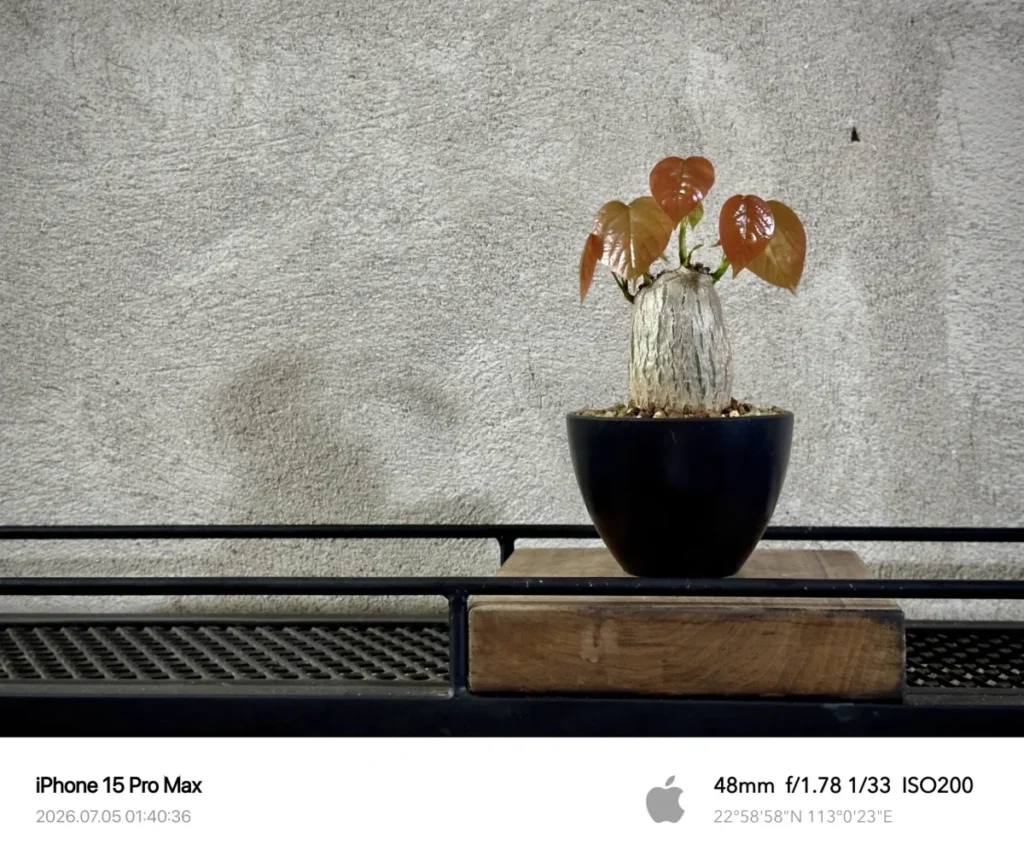
Choose a Pseudobombax for the base and branch structure you intend to buy, then record its current leaf stage. A leafy crown can conceal the trunk outline; a leafless plant needs a dated condition record before it can be assessed. Keep these details separate on a wholesale enquiry.
A caudex tree, with room for growth
Kew accepts Pseudobombax ellipticum, a caudex tree in Malvaceae with a native range from Mexico to Nicaragua and the Caribbean. Bombax ellipticum is a synonym. Preserve that name connection when comparing nursery labels; common names alone can group unrelated plants together.
The RHS describes a deciduous tree with succulent green stems and divided leaves that emerge bronze-red before becoming green. A compact container specimen is still a tree. For a retail shop, decide whether the aim is a compact display plant or a specimen that the buyer will develop over time.
Our Pseudobombax ellipticum catalogue entry, CAP-K0062, is a starting point for an enquiry. Specify the desired outline and ask for current proposed plants. The catalogue does not assign a fixed base diameter, age or branch count to every quotation.
Measure the base and crown separately
Use the soil line as a visible reference and ask the supplier to mark the actual measurement points in the photo. If part of the base is buried, record which portion the stated diameter describes. An ornamental pot can make the same plant look broader or shorter.
| Buying field | Record | Useful photo |
|---|---|---|
| Visible base | Maximum width and the measurement position | Front and side views with a ruler |
| Trunk above the soil | Height to the first branch or another agreed landmark | Unobstructed side view showing the soil line |
| Branch structure | Main branch arrangement, current cuts and acceptable asymmetry | Whole outline from more than one direction |
| Leaf stage | Leafless, emerging or carrying a developed crown, with photo date | Current close and whole-plant views |
| Commercial unit | Exact reserved specimen or an agreed size-and-form grade | Plant code visible in every approval view |
A broad base does not establish age or prove how the plant was propagated. Ask for the supplier’s propagation record if seed-grown or cutting-grown origin matters to your selection. Where the record is absent, keep the enquiry open on that point rather than assigning an age from appearance.
Treat leaf stage as a question to resolve
Deciduous growth means that leaf cover changes. Leaflessness on its own does not explain the cause or confirm that a plant is healthy. Request the photo date, the nursery’s account of the current growth stage, recent pruning and root condition. Investigate visible concerns before accepting the specimen.
For display planning, ask whether a support or training tie will remain in place and whether the plant can be supplied without further pruning. If shortening branches is proposed for packing, approve the intended cuts on a marked photograph first. An unagreed trim can change the silhouette that led you to choose the plant.
Plan the receiving space before dispatch
RHS cultivation guidance calls for full sun, well-drained soil and protection from frost, with summer watering and protection from excessive winter wet during dormancy. This supports planning a bright, protected holding area. It does not provide a transport temperature guarantee or a fixed watering schedule for a recently unpacked plant.
Ask for the proposed root presentation, the nursery’s recent watering information and any handling instructions specific to the selected specimen. On arrival, photograph the unopened package and labels, then compare the plant code, base and branch outline with the approved views. Record discrepancies before changing the plant’s presentation.
Request a specimen or grade quotation
Send CAP-K0062, the target base width, preferred branch outline, quantity and destination through the Pseudobombax enquiry form. Attach a reference photo if a particular silhouette matters, and say whether you want to approve individual plants or a representative grade.
Ask for the scope of packing and transport in the quotation. U.S. buyers should check the named plant, origin and shipping form against current APHIS requirements before dispatch is arranged. Plant selection and import readiness are separate parts of the order discussion. For a broader shortlist, browse the cactus and caudex catalogue.
Before accepting the quotation
Does the photo reserve that exact plant?
Only if the supplier confirms it. Put the plant code and the reservation terms in the quotation. A size-grade offer may cover different individuals.
Can a compact plant be expected to stay at the photographed size?
The photograph records one stage of a growing tree. Discuss future space, branch management and the intended retail presentation before selecting a grade.