Wholesale Operculicarya decaryi: Trunk Shape, Branches & Approval
Compare wholesale Operculicarya decaryi from China by trunk profile, branch spread, measurement points and current photos. Prepare a clear specimen inquiry.
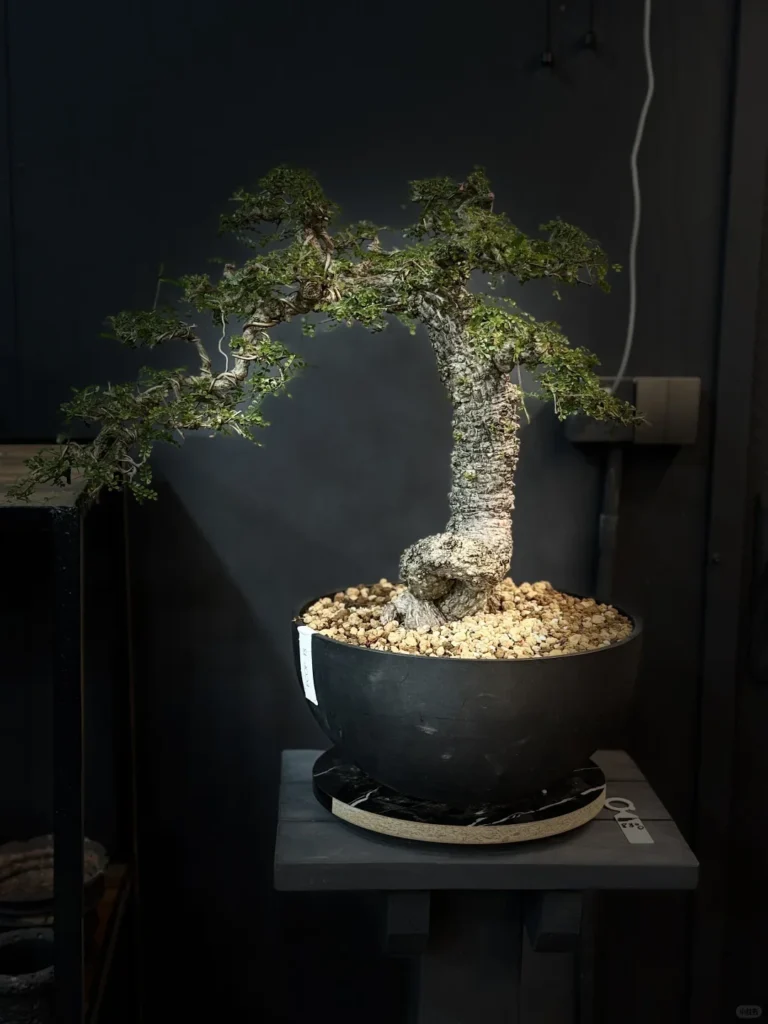
The quoted trunk width is only one part of an Operculicarya decaryi selection. A low fork, a long side branch or a visible pruning cut may matter more to the buyer than a small difference in diameter. For wholesale sourcing from China, agree the outline and the measurement point before comparing prices.
Specify Operculicarya decaryi
Use the full name in your brief. Kew records Operculicarya decaryi as an accepted species in Anacardiaceae, native to Madagascar and associated primarily with the seasonally dry tropical biome. It is a tree; the reference photograph here shows a cultivated, trained plant, not its natural mature size.
The current catalogue includes Operculicarya decaryi, CAP-K0028. Keep that code attached to the botanical name when asking about a selection. A genus-only request such as “Operculicarya caudex” leaves too much room for a different species or a different style of plant to be quoted.
Ask for documented propagation and cultivation history where available. Do not infer age, wild origin or establishment from a rough-looking trunk. Those are separate questions requiring records, not descriptions of appearance.
Choose a branch outline you can approve
For a specimen intended for a prominent display, ask for the proposed plant’s front, back and side views. Decide which side you intend to present. A branch that looks balanced from the front can project well beyond the pot in another direction.
For a group of smaller plants, describe how much variation your assortment can accommodate. You might accept different branch directions while requiring a similar overall height range. Alternatively, your customers may prefer a particular fork or broad trunk profile. Explain the preference with a marked reference photograph, then approve the actual offered selection.
State whether you are asking for untrained growing material or an already shaped plant. If shaping, wiring or pruning has been used, request the history that the supplier can substantiate and a close view of visible cuts or wire marks. Do not assume the decorative pot, supports or training wire are included in the sale.
Use a marked measurement point
Request a photograph with the measuring line marked on the trunk or shown by a ruler beside it. “Base width” is ambiguous when one quote includes exposed roots and another measures the stem above them. Keep the pot out of the plant’s height measurement and describe the displayed soil line.
| Record | Question to resolve | Evidence to keep |
|---|---|---|
| Trunk width | At which marked height is the width measured? | A ruler view with the measurement point identified |
| Exposed base | Does the quoted width include visible roots? | A close view of the base and displayed soil line |
| Plant height | From the stated base to which highest point? | A level full-plant view, with pot height recorded separately |
| Branch spread | What are the widest dimensions in both directions? | Front and side views connected to the same selection code |
| Packing outline | Will branches, leaves, roots or supports change before dispatch? | A written preparation plan and approval of material changes |
Keep the measurement image. A single diameter will not describe every bulge or a flattened trunk profile. Check that both quotes measure at the same point before treating the difference as a price advantage.
Ask what has changed since the photograph
Request the image date, the current leaf condition and a recent view of the plant. Record whether it is currently potted, recently lifted or otherwise prepared, together with any root trimming the supplier reports. A leafy photograph does not establish the present condition of an unseen root system.
If a photograph was taken before pruning or repotting, ask for an updated set. Your approval should identify the condition being offered now. For arrival planning, tell the supplier about your receiving space and local seasonal temperatures; agree suitable arrangements without treating the species’ native range as a delivery-weather limit or a universal care temperature.
Keep specimen approval with the quotation
Give each individually approved specimen its own reference within the order, even when several share the same catalogue code. For a graded batch, retain the agreed range, representative views and count. This records the selection within the transaction; it does not create a new botanical variety for every plant.
Ask how branch protection and root preparation will affect the packed dimensions. If the proposed method requires cutting back a branch that defines the plant’s shape, resolve that before accepting the quote. Keep the preparation agreement alongside the approved photographs so that neither side has to reconstruct it from separate messages.
Send a usable sourcing brief
Request an Operculicarya decaryi quotation with CAP-K0028, quantities, preferred trunk and branch outline, measurement points and destination. Mention whether you want batch grading or approval of individual specimens. Ask for current availability and a quotation with packing and transport costs identified.
A proposed U.S. order also needs a separate import review. APHIS advises checking ACIR for requirements that depend on commodity and origin. Confirm the actual taxon, source and shipment condition with the importer before dispatch; an attractive specimen photograph is not evidence of entry eligibility.
Buyer questions
Can I compare two plants using only the quoted base diameter?
Ask where each diameter was measured and whether exposed roots are included. Compare the branch outline and current condition alongside that measurement.
Will the plant arrive with the same silhouette as the photo?
That needs agreement for the offered plant. Ask whether preparation involves pruning, removing supports or changing the exposed base, and approve any proposed material change in advance.