Botanical background and selection
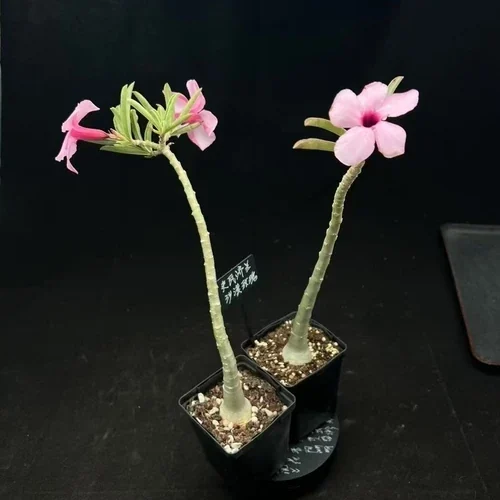
Adenium obesum belongs to Apocynaceae. The familiar common name desert rose refers to Adenium obesum. Its swollen woody base and seasonal leafy growth have made it a subject for container cultivation and bonsai-style display. Named selections should be compared by their particular stem, foliage or flower characteristics.
Adenium is a member of Apocynaceae, the dogbane family, with a natural distribution in Africa and the Arabian Peninsula. Botanical species and named horticultural selections are presented separately in this catalogue.
This catalogue entry identifies CAP-K0087 as a species selection. Compare the overall outline, basal structure and current foliage condition in clear photographs. Ask for a side view as well as the measuring point used for the base. A stated pot diameter describes the container; it does not describe the size or age of the plant inside it.
Growing conditions and temperature
For buyers in the United States and Canada, a greenhouse, conservatory or another controlled container-growing space makes it easier to manage light, rain and cold. Seasonal outdoor placement depends on the local weather and the plant's acclimation. A country or state name alone does not define a suitable microclimate.
| Growing position | Bright filtered light; shelter from intense midday sun |
|---|---|
| Winter protection | Above 10°C (50°F), under cover |
| Container | Drainage holes and space appropriate to the root system |
The temperature guidance is a practical setting for protected container cultivation. Keep the plant clear of cold drafts and ensure that the potting mix does not stay wet in cool conditions. Monitor conditions where the plant sits, since a greenhouse bench or a window ledge may differ from the room thermostat.
Light and placement
Use a bright, well-ventilated position with filtered light. Introduce stronger light gradually after moving a plant, especially when it has been grown under cover. A bright window or a shaded greenhouse bench is a practical starting point; avoid a dim corner that encourages weak, stretched growth.
Potting and watering
Use a freely draining substrate suited to container-grown succulents, with a mineral component such as pumice or grit. Choose a pot that accommodates the root system without leaving a large volume of persistently wet mix. Keep drainage holes open and empty any water that collects beneath the container.
During active leaf and shoot growth, water in a way that wets the root zone and then drains freely. Reduce the amount as growth slows or foliage is shed, allowing the potting medium to dry appropriately between applications. A swollen stem or root does not make continuously wet compost suitable. Use growth activity, temperature and the condition of the potting mix together.
Wholesale specifications for CAP-K0087
Use CAP-K0087 together with the scientific name and selection label. A consistent specification makes it easier to compare quotations and agree what the buying list should contain.
- Base or caudex dimension: State the measuring point and whether the dimension describes a stem base, exposed storage root or the widest part of the plant.
- Overall height and foliage: Measure plant height separately from the container; discuss the current leafy or resting phase.
- Root and potting condition: Discuss established roots, the intended container and any packing requirements with the quotation.
- Quantity and destination: Include the quantity of this selection and the destination country, state or province, and postal code.
For a mixed order, list each product code on a separate line and give the desired quantity and size for that code. Ask for plant photographs that show the body, base and measuring scale clearly. Discuss the identity, dimensions, packing and destination requirements when preparing the quotation.
Receiving and retail preparation
When plants arrive, match labels against the agreed product codes and record the condition before changing the potting arrangement. Place them in a bright, protected area with ventilation while assessing their roots, foliage and moisture needs. Introduce stronger sunlight gradually, then group plants for display by their actual light and seasonal growth requirements.
Keep the product code with the botanical name in your own records. If you are comparing different horticultural forms of the same species, preserve the complete selection label so a later inquiry can refer back to the same catalogue entry.
Questions about this selection
Where can Adenium obesum be grown?
Choose a controlled, well-lit container-growing position. Recommended winter protection: above 10°c (50°f), under cover. Bright filtered light; shelter from intense midday sun. Check the conditions at the plant itself when deciding whether a seasonal outdoor location is suitable.
What should I send for a wholesale quotation?
Send CAP-K0087, the full selection name, preferred dimensions and quantity, plus your destination country and postal code. Add any preference for root condition or packing so these points can be discussed with the quotation.
Botanical reading: Adenium obesum — Wikipedia ↗. Search the botanical name at Kew ↗. Horticultural reading ↗.
Related buying information: Wholesale buying guides · Packing and export process. Page reviewed 19 October 2026.